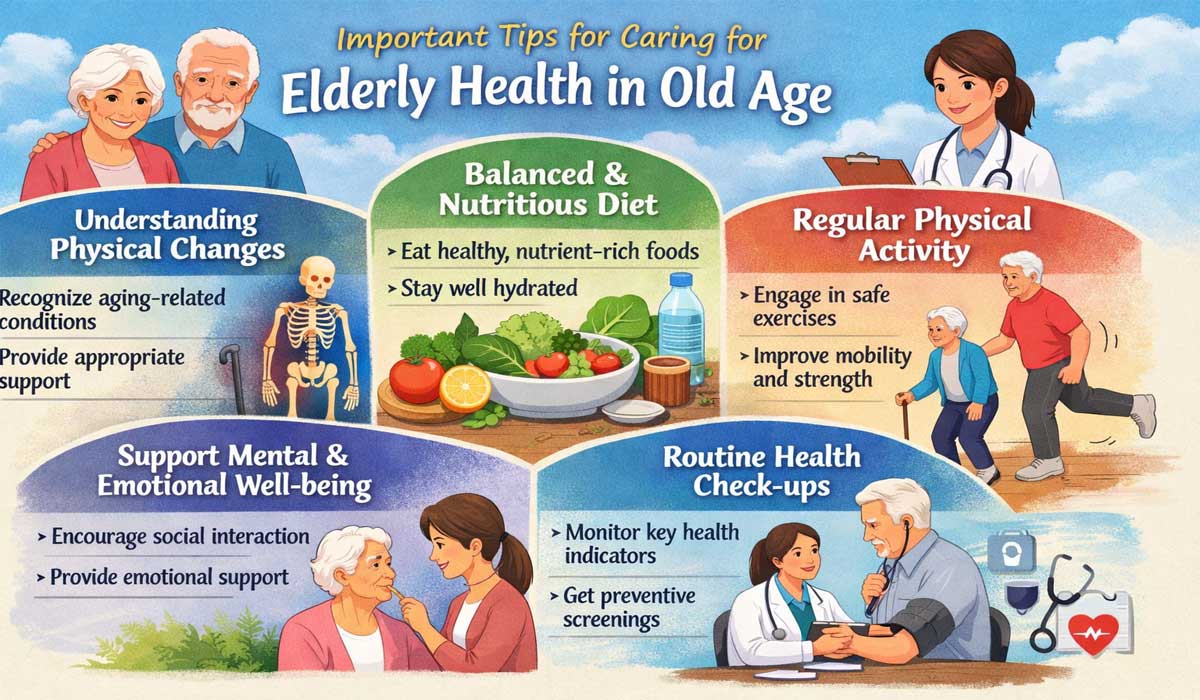
Important Tips for Caring for Elderly Health in Old Age
Caring for elderly health is an essential responsibility that requires attention, patience, and understanding.
As people age, their physical and mental conditions naturally change, making them more vulnerable to various health issues. Proper care can significantly improve their quality of life and help them remain independent for as long as possible.
With the right approach, aging can be a comfortable and dignified phase of life supported by healthy habits and emotional well-being.
Understanding the Physical Changes in Aging
As people grow older, their bodies undergo several natural changes such as reduced muscle strength, slower metabolism, and weaker immune systems. These changes make elderly individuals more susceptible to illnesses and injuries. Understanding these physical shifts is the first step in providing proper care.
It is also common for seniors to experience joint pain, vision decline, or hearing difficulties. Recognizing these conditions early allows caregivers and family members to provide appropriate support, such as medical treatment, mobility assistance, or lifestyle adjustments that can improve comfort and safety.
Maintaining a Balanced and Nutritious Diet
A healthy diet plays a crucial role in supporting elderly health. Seniors need nutrient-rich foods that include vegetables, fruits, whole grains, lean proteins, and healthy fats. Proper nutrition helps strengthen immunity and maintain energy levels throughout the day.
In addition, hydration is often overlooked but extremely important. Elderly individuals may not feel thirsty frequently, which increases the risk of dehydration. Encouraging regular water intake and limiting excessive sugar or salt consumption can significantly improve their overall health condition.
Encouraging Regular Physical Activity
Physical activity helps maintain mobility, flexibility, and strength in older adults. Simple exercises such as walking, stretching, or light yoga can improve blood circulation and reduce the risk of chronic diseases. Regular movement also supports better mental health.
However, exercise routines should always be adjusted according to individual ability. Overexertion can lead to injuries, so it is important to choose safe and low-impact activities. Consulting a healthcare professional before starting any exercise program is highly recommended.
Read Also: Sleep Essentials: How To Help Children Get Quality Rest
Supporting Mental and Emotional Well-being
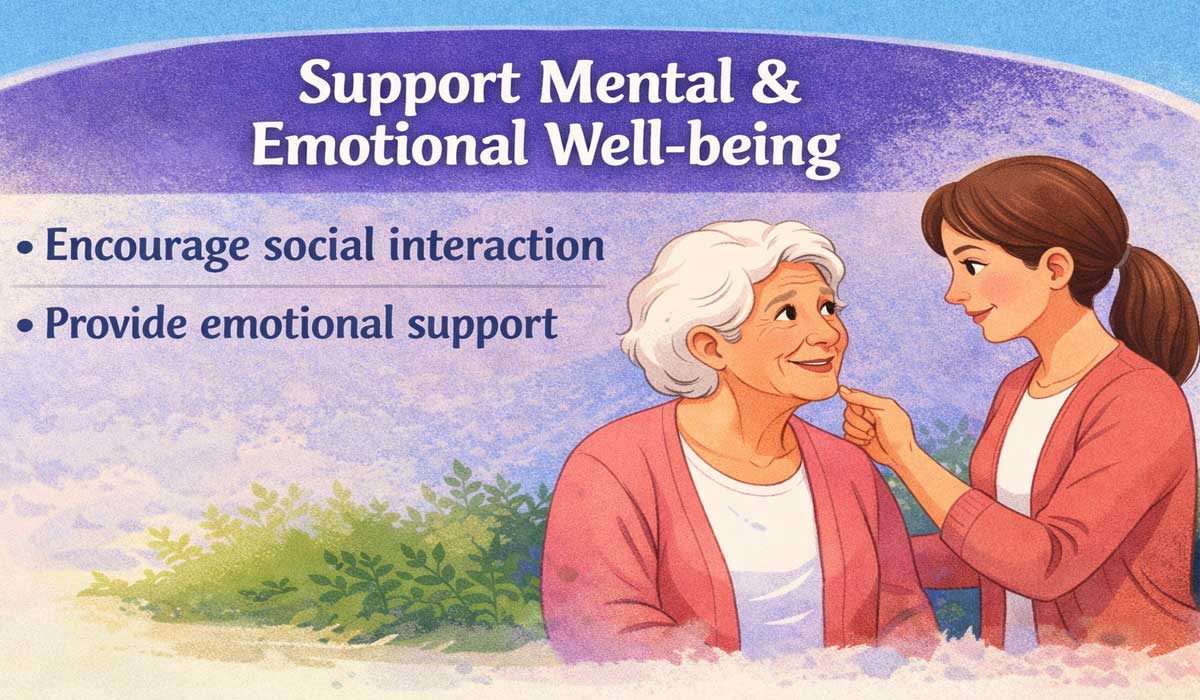
Mental health is just as important as physical health in old age. Many elderly individuals experience loneliness, anxiety, or depression due to lifestyle changes or loss of loved ones. Providing emotional support can greatly improve their quality of life.
Engaging seniors in social activities, family gatherings, or hobbies can help them stay mentally active and emotionally connected. Regular communication and companionship also play a key role in preventing feelings of isolation and improving overall happiness.
Regular Health Check-ups and Preventive Care
Routine medical check-ups are essential for detecting health issues early. Regular visits to healthcare professionals help monitor blood pressure, cholesterol levels, and other important health indicators. Early detection often leads to more effective treatment.
Preventive care, such as vaccinations and screenings, is equally important. These measures help reduce the risk of serious illnesses and ensure that elderly individuals maintain stable health conditions. Consistent medical supervision is a key part of healthy aging.
Conclution
Caring for elderly health requires a combination of physical care, emotional support, proper nutrition, and medical attention. By understanding their needs and providing consistent support, families and caregivers can help seniors live healthier, happier, and more dignified lives. Aging is a natural process, but with the right care, it can be experienced with comfort and fulfillment.
Image Source:
First Image from: tilhifi.info
Second Image from: tilhifi.info