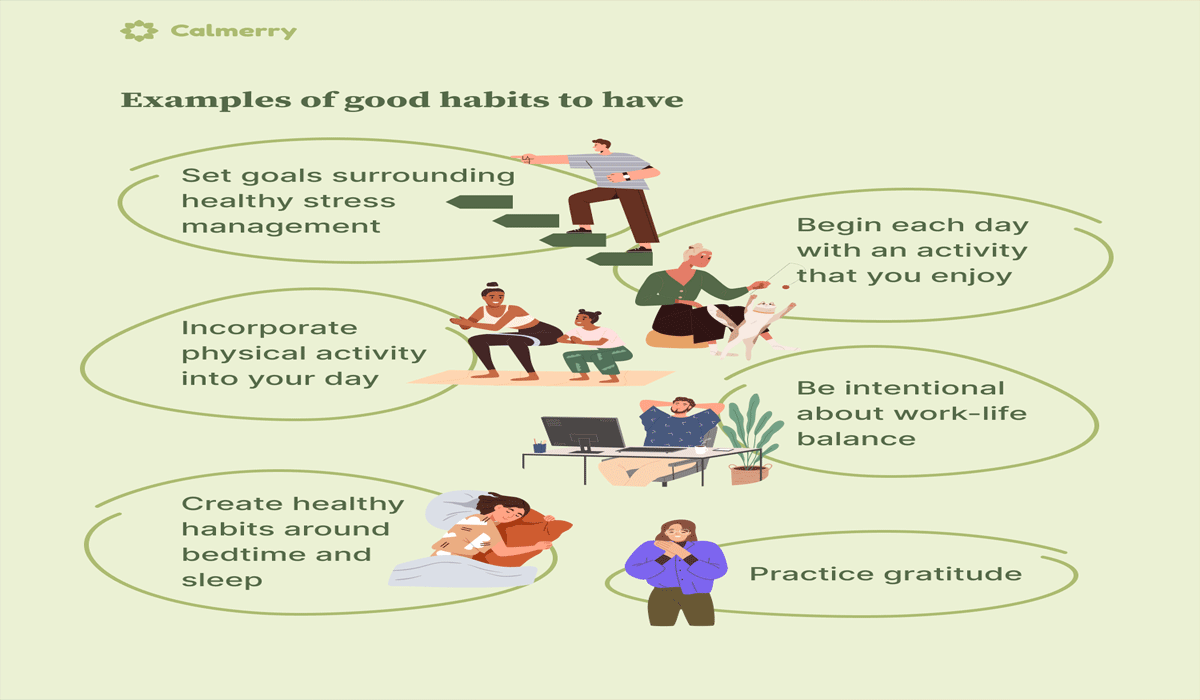
Building Everyday Habits for Better Health and Energy
Health and energy are not achieved overnight, they are the result of consistent choices that compound over time.
Understanding how daily habits influence the body and mind helps people make better decisions that support long-term vitality.
This Finger Health Education article will explores how small, consistent daily habits can significantly improve overall health and energy levels. Many people focus on big lifestyle changes, but in reality, long-term well-being is built through simple routines repeated every day. By improving sleep, nutrition, movement, and mental balance, individuals can create a sustainable foundation for a healthier and more energetic life.
Understanding the Importance of Daily Habits
Daily habits shape how the body functions over time. Simple actions such as what you eat, how much you move, and how well you sleep directly affect energy levels and overall health.
Good habits help regulate metabolism, improve focus, and strengthen the immune system. On the other hand, poor routines can lead to fatigue, stress, and long-term health issues.
The key is consistency. Even small improvements, when done regularly, can produce meaningful changes in physical and mental well-being.
Building a Consistent Sleep Routine
Sleep is one of the most important factors in maintaining energy. A consistent sleep schedule helps the body recover and restore its natural balance.
Going to bed and waking up at the same time every day improves sleep quality. Avoiding screens before bedtime also helps the brain relax and prepare for rest.
Poor sleep habits can lead to low energy, reduced focus, and weakened immunity. Prioritizing sleep is one of the simplest yet most powerful health improvements.
Read Also: The Importance Of Balanced Nutrition For Optimal Child Growth And Development
Developing Healthy Eating Patterns

Nutrition plays a major role in energy levels. A balanced diet that includes proteins, carbohydrates, healthy fats, vitamins, and minerals supports overall body function.
Eating whole foods such as fruits, vegetables, lean proteins, and grains helps maintain stable energy throughout the day. Processed foods and excessive sugar can cause energy spikes followed by crashes.
Hydration is equally important. Drinking enough water supports digestion, brain function, and physical performance.
Incorporating Regular Physical Activity
Movement is essential for maintaining both physical and mental health. Regular exercise improves circulation, strengthens muscles, and boosts energy levels.
Physical activity does not have to be intense. Simple habits like walking, stretching, or light workouts can already make a difference.
Consistency is more important than intensity. Even short daily movement helps reduce fatigue and improve overall mood.
Managing Stress and Mental Balance
Mental health is closely connected to energy levels. High stress can drain both physical and emotional strength, leading to exhaustion.
Practicing relaxation techniques such as deep breathing, meditation, or short breaks during the day helps maintain balance. These habits reduce tension and improve focus.
Maintaining a positive mindset also plays a role in sustaining long-term energy and motivation.
Creating a Structured Daily Routine
A structured routine helps organize time and reduce unnecessary stress. Having a clear plan for daily activities improves productivity and mental clarity.
Simple scheduling of meals, work, exercise, and rest creates balance in daily life. It also prevents burnout by ensuring proper rest periods.
Consistency in routine builds discipline, which is essential for maintaining healthy habits long term.
Avoiding Negative Lifestyle Patterns
Certain habits can reduce energy levels over time, such as irregular sleep, poor diet, and excessive screen time. Identifying and reducing these habits is an important step toward improvement.
Limiting caffeine intake, reducing late-night activity, and avoiding prolonged inactivity can significantly improve energy balance.
Awareness of negative patterns helps individuals replace them with healthier alternatives.
Tracking Progress and Staying Motivated
Monitoring daily habits can help individuals understand their progress and stay consistent. Simple tracking methods such as journaling or using habit apps can make improvements more visible.
Seeing progress over time increases motivation and reinforces positive behavior. It also helps identify which habits are working effectively and which need adjustment.
Small achievements should be acknowledged because they build long-term discipline and confidence in maintaining a healthy lifestyle.
Conclusion
Building everyday habits for better health and energy is about consistency, balance, and awareness. Simple routines in sleep, nutrition, movement, and stress management work together to create a stronger and more energetic lifestyle.
By focusing on small improvements and maintaining discipline, anyone can gradually enhance their overall well-being. Long-term health is not the result of quick fixes but the accumulation of positive daily choices that support both body and mind.
First Image: calmerry.com
Second Image: tilhifi.info