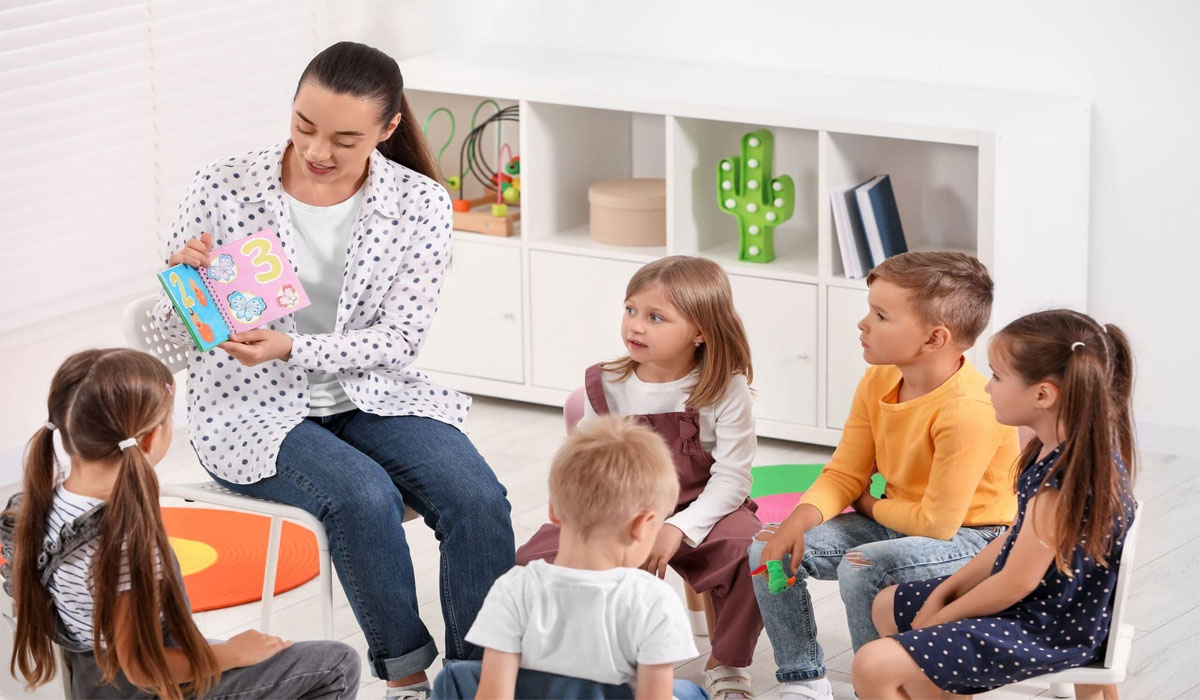
Healthy Kids Happy Lives: A Guide to Children’s Wellbeing
Children’s wellbeing is the foundation of a healthy, fulfilling life, shaping their growth, confidence, and future development.
When kids feel physically strong, emotionally secure, and socially connected, they are more likely to grow into confident and resilient individuals.
This Finger Health Education article will explore the key elements that contribute to children’s wellbeing and how parents and caregivers can support healthy, happy lives from an early age.
Building Strong Physical Health
Physical health plays a central role in a child’s overall wellbeing. A balanced diet rich in fruits, vegetables, whole grains, and proteins helps support growth and development. Children need essential nutrients to build strong bones, maintain energy levels, and support brain function.
Regular physical activity is equally important. Whether it’s outdoor play, sports, or simple activities like running and jumping, movement helps improve coordination, strength, and overall fitness. It also reduces the risk of health issues later in life.
Supporting Emotional Wellbeing
Emotional health is just as important as physical health. Children need to feel safe, valued, and understood in order to develop confidence and emotional stability. Positive relationships with parents, caregivers, and teachers play a key role in shaping how children view themselves and the world around them.
Encouraging open communication helps children express their feelings without fear. When children feel heard, they are more likely to develop healthy emotional coping skills. Teaching them how to identify and manage emotions such as anger, sadness, or frustration builds resilience over time.
Read Also: How to Care for Your Child’s Fingers for Healthy Development
Encouraging Social Development
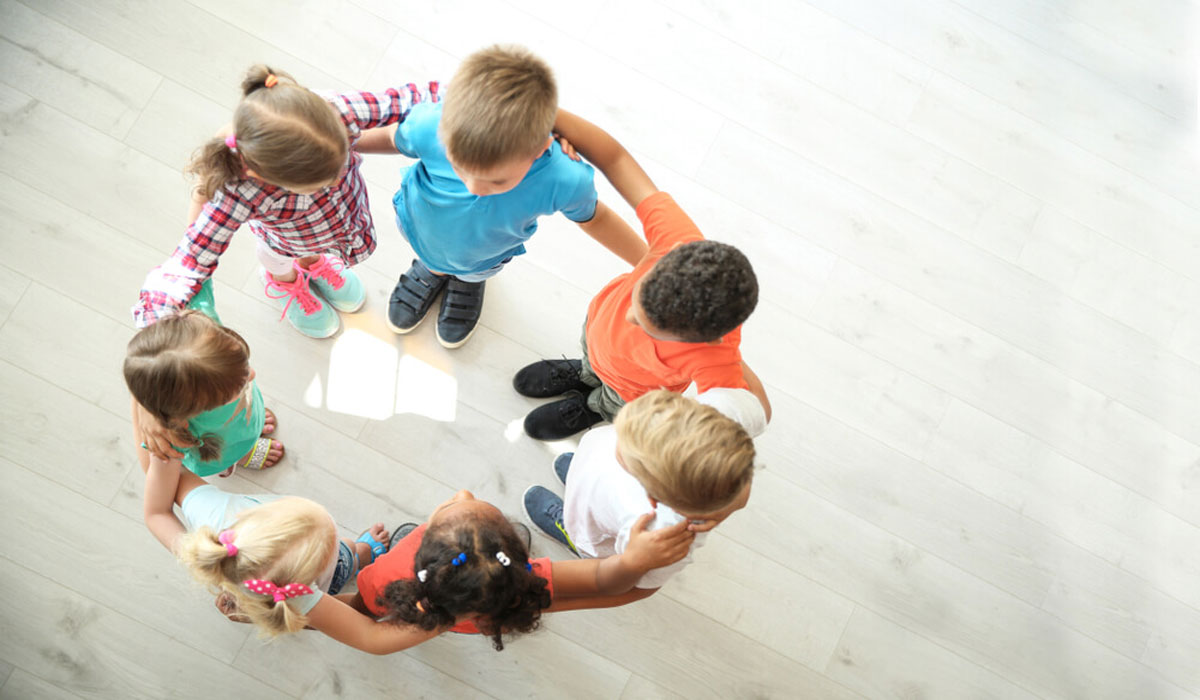
Social skills are essential for building relationships and navigating the world. Children learn how to interact with others through play, communication, and shared experiences.
Encouraging teamwork, sharing, and empathy helps children develop strong interpersonal skills. Activities such as group games, school projects, and community involvement can strengthen social confidence.
The Role of Education and Learning
A supportive learning environment is crucial for a child’s development. Education is not only about academic achievement but also about fostering curiosity, creativity, and problem-solving skills.
Children thrive when they are encouraged to explore, ask questions, and think independently. Providing opportunities for learning through reading, creative activities, and hands-on experiences helps stimulate their minds.
Creating a Safe and Supportive Environment
A stable and nurturing environment is essential for children’s wellbeing. This includes both physical safety and emotional security.
At home, routines and structure provide a sense of stability. Clear expectations and consistent rules help children feel secure and understand boundaries.
Teaching Healthy Habits Early
Developing healthy habits from a young age sets the foundation for lifelong wellbeing. This includes proper hygiene, balanced eating, regular exercise, and positive routines.
Children learn by example, so parents and caregivers play a crucial role in modeling healthy behaviors. When kids see adults making healthy choices, they are more likely to adopt those habits themselves.
Conclusion
Children’s wellbeing is shaped by a combination of physical health, emotional support, social development, and a nurturing environment. By focusing on these key areas, parents and caregivers can help children grow into healthy, confident, and happy individuals.
Supporting children’s wellbeing does not require perfection, but it does require attention, care, and consistency. Stay tuned with us Finger Health Education for further information.
Image Information Source:
First Image from: cpdonline.co.uk
Second Image from: euroschoolindia.com