Modern Medicine: Exploring Diseases and Medical Solutions
Discover advances in modern medicine, understanding disease, diagnosis, treatment, prevention, and personalized care that improve health.
Modern medicine has transformed the way humanity understands, diagnoses, and treats diseases. With continuous scientific progress, healthcare is no longer limited to treating symptoms but focuses on identifying root causes and providing long-term solutions.
In the following, Finger Health Education – Caring for All… will explore how modern medicine addresses disease and develops effective medical solutions in an ever-evolving world.
Understanding Modern Medicine
Modern medicine is a scientific approach to healthcare that relies on evidence-based practices, clinical research, and advanced technology. Unlike traditional methods that often focused on general treatments, modern medicine emphasizes precision, accuracy, and individualized care.
It combines biology, chemistry, genetics, and technology to understand how diseases develop and progress in the human body. One of the key strengths of modern medicine is its ability to continuously evolve. As new research emerges, treatments are refined and improved. This allows healthcare systems to adapt quickly to new health challenges and emerging diseases.
Common Diseases and Diagnostic Approaches
Understanding diseases is a fundamental part of modern healthcare. Diseases can range from infectious conditions like viral infections to chronic illnesses such as diabetes, heart disease, and cancer. Each condition requires a different approach to diagnosis and treatment.
Modern diagnostic tools have significantly improved the accuracy of disease detection. Technologies such as MRI scans, CT scans, blood analysis, and genetic testing allow doctors to identify conditions at early stages. Early detection plays a crucial role in increasing treatment success rates.
Also Read: Healthy Kids Happy Lives: A Guide to Children’s Wellbeing
Medical Technology Innovations
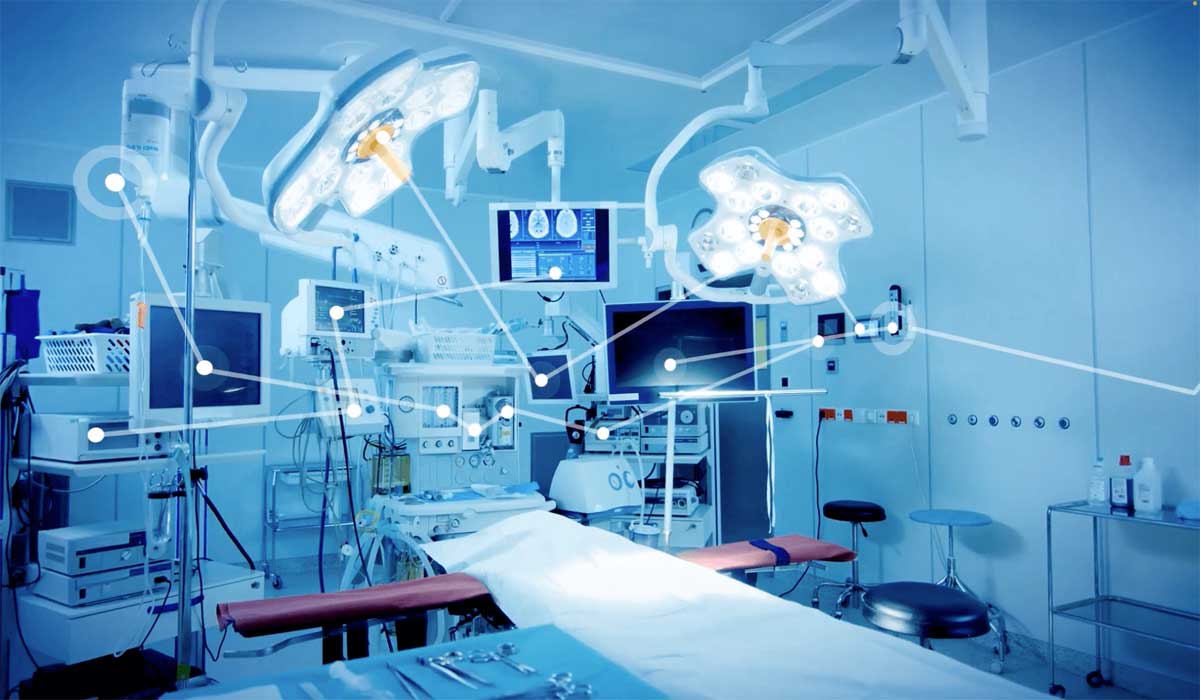
Technology has revolutionized modern medicine in remarkable ways. From robotic surgeries to wearable health devices, innovation continues to reshape how healthcare is delivered. These advancements allow for more precise procedures, faster recovery times, and improved patient safety.
Robotic-assisted surgery, for example, enables surgeons to perform complex operations with enhanced accuracy and minimal invasiveness. This reduces risks and shortens hospital recovery periods. Wearable devices such as smartwatches now monitor heart rate, sleep patterns, and physical activity in real time.
Treatment Methods and Personalized Medicine
Treatment in modern medicine has evolved from one-size-fits-all approaches to highly personalized strategies. Personalized medicine takes into account a person’s genetic makeup, lifestyle, and environment to design more effective treatment plans.
For example, in cancer treatment, doctors now use genetic testing to determine which therapies are most likely to work for a specific patient. This increases treatment success rates and reduces unnecessary side effects. Pharmaceutical advancements have also introduced targeted therapies that focus on specific disease mechanisms rather than affecting the entire body.
Preventive Healthcare and Lifestyle Integration
Preventive healthcare is a key focus of modern medicine. Instead of only treating diseases after they occur, healthcare systems now emphasize prevention through regular check-ups, screenings, and healthy lifestyle choices. Vaccination programs play a vital role in preventing infectious diseases and protecting public health.
Regular screenings help detect potential health issues before they become serious conditions. Lifestyle factors such as diet, exercise, sleep, and stress management also significantly influence overall health. Doctors increasingly encourage patients to adopt healthier habits as part of disease prevention strategies.
Conclusion
Modern medicine continues to redefine how diseases are understood and treated through innovation, technology, and personalized care. With advanced diagnostics, improved treatment methods, and a strong focus on prevention.
Healthcare systems are becoming more effective and accessible. As medical science progresses, the future holds even greater potential for improving human health, extending lifespan, and enhancing overall quality of life across the globe.
Image Source:
First Image from: www.mddionline.com
Second Image from: www.rti.com