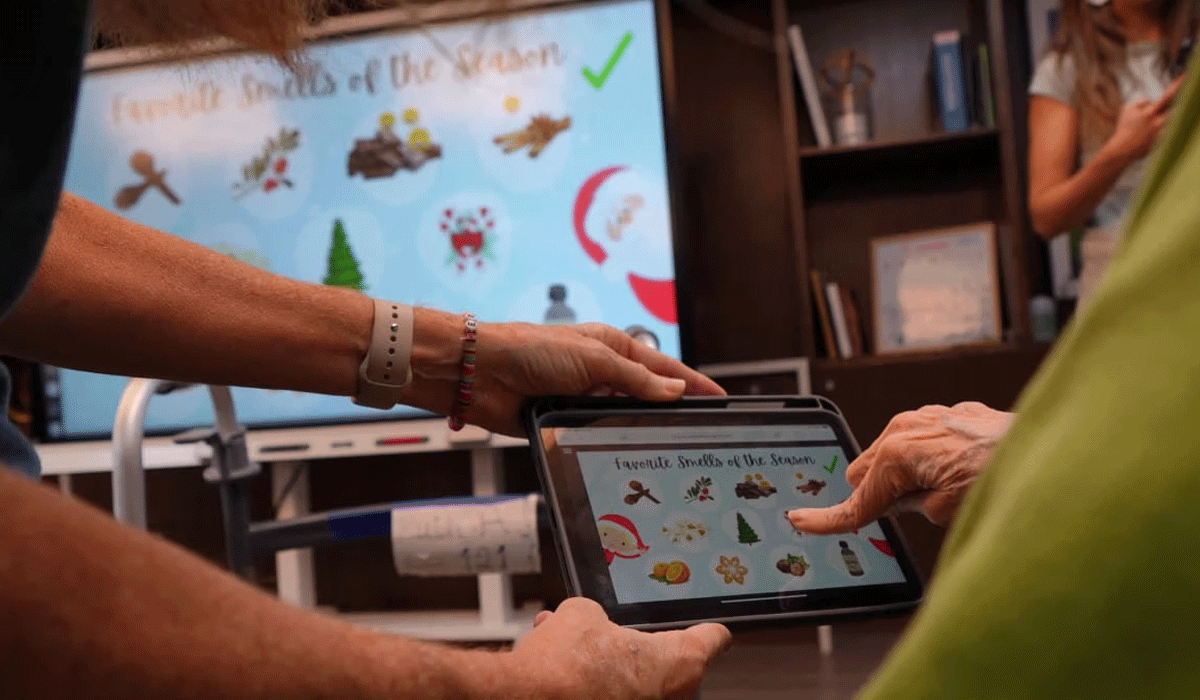
Complete Finger Care Education For Children To Seniors
Our fingers are essential tools for everyday life, from writing and cooking to typing and using smartphones.
Proper finger care is important for people of all ages, from children learning basic hygiene to seniors who may face joint stiffness or weakened muscles. Understanding how to protect, strengthen, and maintain finger health can prevent injuries and improve overall hand function. Below will Finger Health Education educate Complete Finger Care For Children To Seniors.
Basic Finger Hygiene for Children
Teaching children good finger hygiene is the foundation of lifelong finger care. Simple habits, such as washing hands regularly with soap and water, trimming nails safely, and avoiding biting nails, are crucial to prevent infections and maintain cleanliness.
Parents and caregivers can make hygiene fun by using colorful nail clippers, teaching songs for proper handwashing, or turning routines into games. Early education about finger care helps children develop discipline and awareness, reducing the risk of common infections and injuries.
Strengthening and Flexibility Exercises for Teens
As children grow into teenagers, finger strength and flexibility become important, especially for activities like sports, playing musical instruments, or typing. Exercises such as squeezing stress balls, finger stretches, and piano-style tapping can enhance dexterity and prevent stiffness.
Teens should also learn proper ergonomics when using smartphones, computers, or gaming devices. Maintaining neutral wrist and finger positions reduces the risk of strain injuries such as tendonitis or carpal tunnel syndrome, which can occur with prolonged repetitive movements.
Finger Care and Protection for Adults
Adults are often exposed to daily activities that stress the fingers, from manual labor to typing and cooking. Using protective gloves during gardening, cleaning, or heavy lifting can prevent cuts, bruises, and calluses. Moisturizing the hands and nails also keeps skin supple and nails strong.
Regular exercises, like finger extensions, resistance band stretches, and rotational movements, maintain joint health and reduce stiffness. Adults should also be aware of warning signs such as persistent pain, swelling, or numbness, which may indicate underlying conditions requiring medical attention.
Also Read: Healthy Fingers, Happier Life: A Practical Guide to Finger Health Education
Finger Health for Seniors
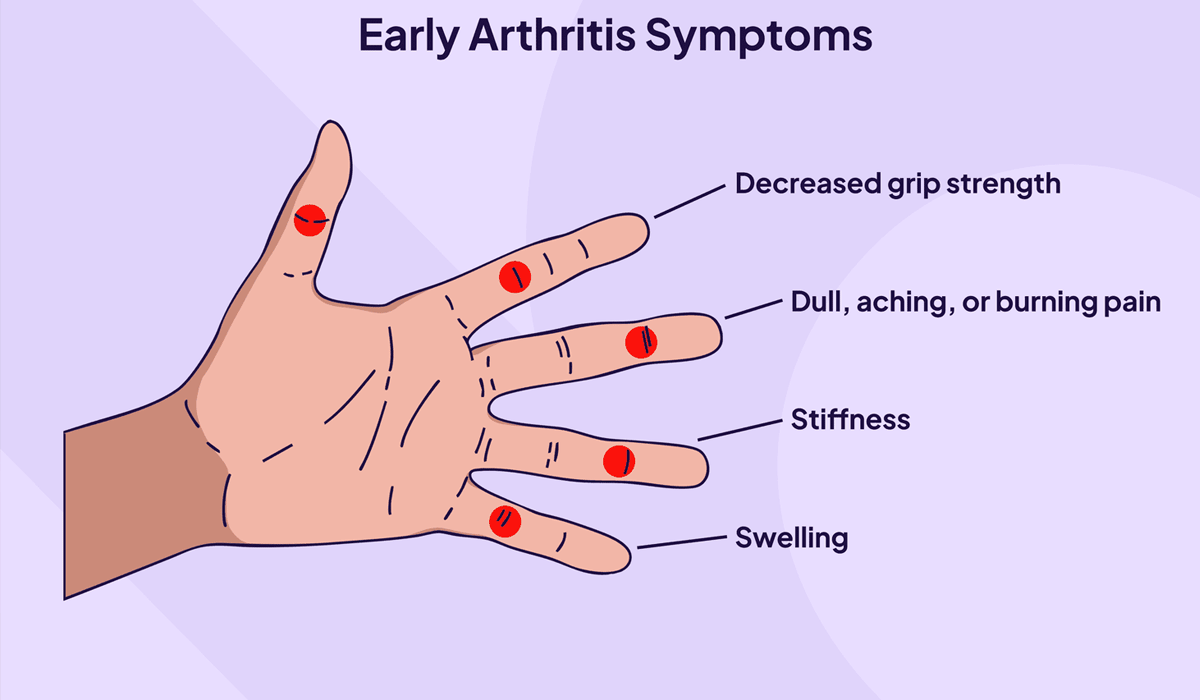
Aging can affect finger strength, flexibility, and joint function. Seniors are more prone to arthritis, reduced dexterity, and fragile skin. Gentle exercises, including finger tapping, ball squeezing, and yoga-inspired hand stretches, can maintain mobility and coordination.
Additionally, seniors should pay attention to nail care, moisturizing, and proper protection from cold or harsh chemicals. Adaptive tools like ergonomic pens, utensils, and jar openers can reduce strain and make daily activities safer and more comfortable.
Prevention and Early Intervention
Finger care education also emphasizes prevention. Identifying problems early, such as nail infections, stiffness, or joint pain, can prevent worsening conditions. Regular checkups with healthcare providers, occupational therapists, or hand specialists are recommended, especially for seniors or individuals with chronic conditions.
Incorporating finger care routines into daily life ensures long-term hand health. From children to seniors, consistent hygiene, strengthening exercises, and protection strategies reduce the risk of injuries, maintain dexterity, and improve quality of life.
Conclusion
Finger care is essential for all age groups. Children benefit from hygiene and basic protection, teens from strengthening exercises, adults from preventive care, and seniors from gentle mobility routines. By integrating proper finger care into daily habits, everyone can maintain hand health, prevent injuries, and ensure functional independence throughout life.
Image Source:
- First Image from: www.google.com
- Second Image: www.google.com