Diseases That Often Attack Children and How to Treat Them
Children can suffer from a variety of illnesses, ranging from minor ailments to those requiring serious treatment.
Parents need to understand the symptoms, causes, and prevention methods to keep their children healthy and active. With the right knowledge, the risk of complications can be significantly reduced. This article Finger Health Education will discuss common childhood illnesses and how to effectively manage them and how to easily implement them in everyday family life.
Common Diseases That Often Affect Children
Flu, diarrhea, and upper respiratory tract infections are among the most common diseases affecting children. These illnesses are usually caused by viruses and bacteria that spread easily through air or direct contact. Children with weaker immune systems are more vulnerable, especially during seasonal changes such as the rainy season, making extra care from parents very important at home.
Prevention of these diseases can be done by maintaining personal and environmental hygiene regularly. Teaching children to wash their hands before eating and after playing is essential from an early age. In addition, vaccination according to the schedule plays a major role in preventing dangerous diseases. Parents must also ensure balanced nutrition to strengthen children’s immune systems effectively every day.
Infectious Diseases in Children
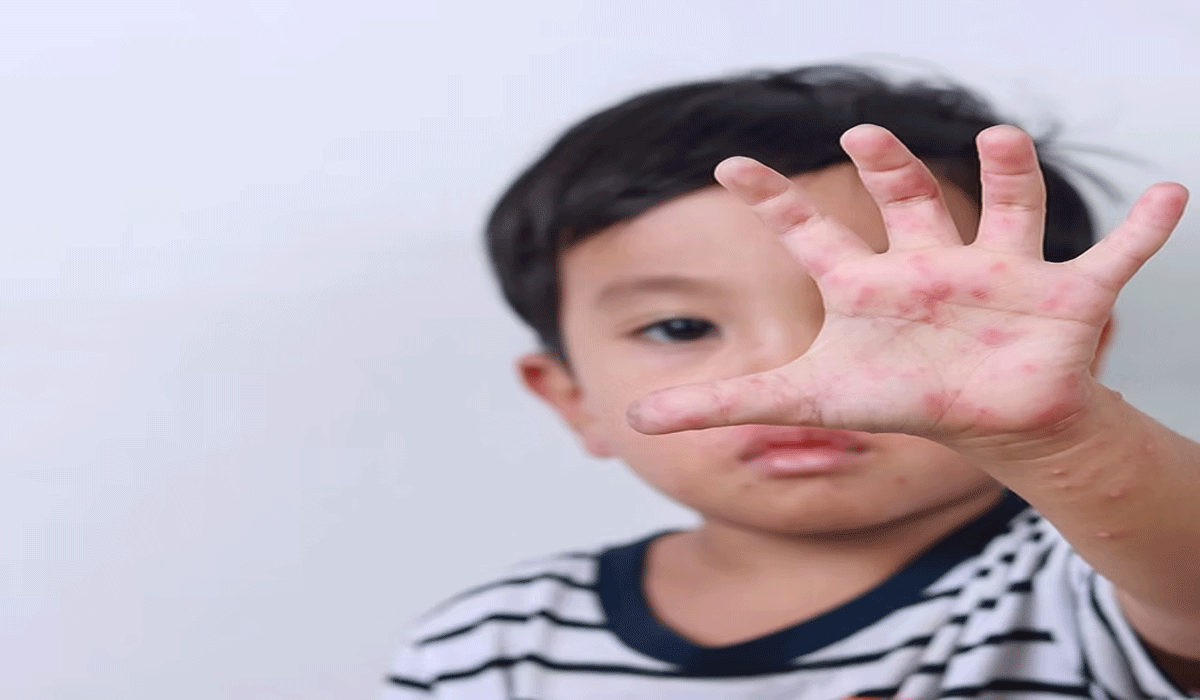
Diseases such as measles and chickenpox are still commonly found among children, especially those who have not completed their vaccinations. These infections can cause symptoms such as high fever, skin rashes, and general weakness. If not properly treated, they may lead to serious complications that affect the child’s health. Early and appropriate treatment is crucial to prevent the condition from worsening.
Care for infected children should include adequate rest and sufficient fluid intake every day. Medications prescribed by doctors must be taken according to the correct dosage to avoid side effects. Children should also be protected from exposure to dirty environments to speed up recovery. Parents play a key role in ensuring proper and continuous care at home during the healing process.
Read Also: Strong Minds Start Young: Practical Tips for Supporting Your Child’s Mind
Malnutrition-Related Diseases in Children
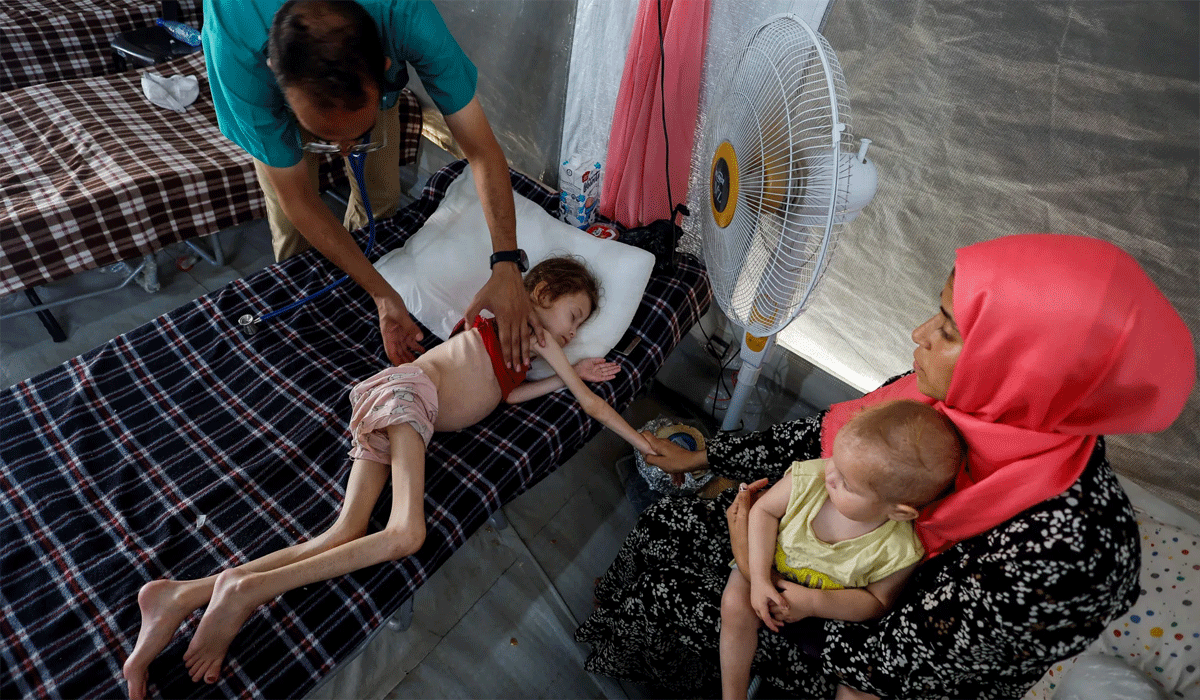
Malnutrition remains a serious health issue that affects children’s growth and development in many areas. Children who suffer from poor nutrition are more prone to infections and have weaker immune systems. This condition can delay learning processes and reduce overall quality of life. Proper handling of malnutrition requires nutritious food intake and continuous family education.
Preventing malnutrition can be done by providing balanced and healthy meals from an early age. Parents should pay attention to sufficient protein, vitamins, and minerals for children. Foods such as vegetables, fruits, and milk are highly recommended to support optimal growth. Additionally, education about healthy eating habits should be introduced early so children can develop good lifelong habits.
Impact of Diseases on Child Development
Diseases that frequently affect children can significantly impact their physical and mental development. Children who are often sick may experience growth delays and learning difficulties. This condition can also reduce their confidence and affect their social interactions with others. Therefore, maintaining children’s health is essential for optimal growth and development.
Disease prevention should be a top priority for every family. By maintaining hygiene, ensuring proper nutrition, and completing vaccinations, health risks can be reduced. Parents play an important role in ensuring their children grow up healthy and free from diseases. With proper care and awareness, children can grow strong, active, and have a better future supported by their families.
Conclusion
In conclusion, diseases that commonly affect children can be prevented and managed through simple yet consistent actions by parents and the surrounding environment. Maintaining hygiene, providing balanced nutrition, and ensuring complete immunization are key steps. Parental awareness plays a crucial role in building a healthy generation. With proper care and attention, children can grow up healthy, strong, and ready to face a better future.