Strong Starts: Building a Healthy Future for Your Child
A child’s early years play a crucial role in shaping their lifelong health, development, and well-being.
The habits, environment, and care they receive during this stage can influence not only their physical growth but also their emotional resilience and cognitive abilities.
This Finger Health Education article will explores how early childhood care, nutrition, emotional support, and healthy habits work together to build a strong foundation for a child’s long-term development and well-being.
The Importance of Early Development
The early stages of a child’s life are a period of rapid growth and learning. During this time, the brain develops quickly, forming the foundation for language, behavior, and social skills. Positive experiences, such as responsive caregiving and safe environments, help strengthen these developmental pathways.
When children receive proper attention and care early on, they are more likely to develop confidence, curiosity, and better problem-solving skills later in life. This foundation supports both academic success and emotional stability.
Nutrition as the Foundation of Growth
Healthy nutrition is one of the most important factors in a child’s development. A balanced diet that includes fruits, vegetables, proteins, and whole grains supports physical growth and strengthens the immune system.
Proper nutrition also affects brain development. Nutrients such as iron, calcium, and omega-3 fatty acids play a key role in improving concentration, memory, and overall cognitive function. Establishing healthy eating habits early can lead to lifelong positive choices.
Read Also: Modern Medicine: Exploring Diseases and Medical Solutions
Physical Activity and Active Living

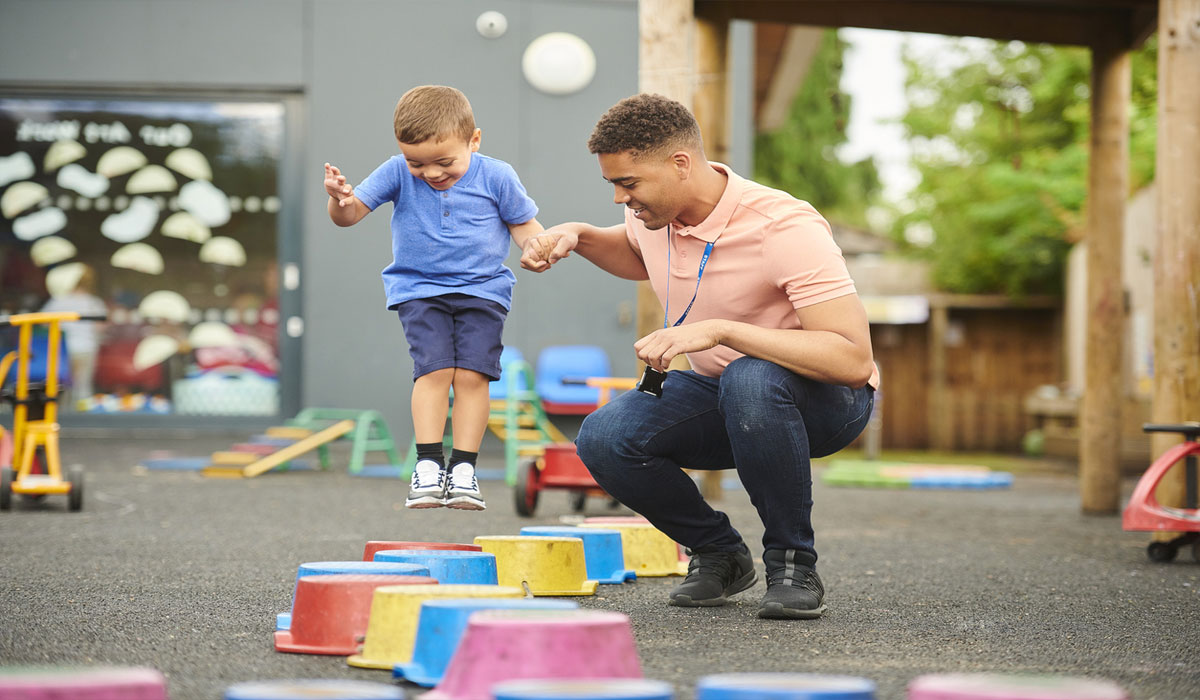
Encouraging children to stay active is essential for their physical and mental health. Activities such as running, playing, and sports help build strong muscles and bones while improving coordination.
Physical activity also supports emotional well-being by reducing stress and improving mood. Children who engage in regular movement tend to sleep better, focus more easily, and develop stronger social skills through group play.
Building Healthy Daily Habits
Daily routines play a powerful role in shaping a child’s long-term habits. Simple practices such as regular sleep schedules, hygiene routines, and balanced screen time help create structure and stability.
Consistency is key. When children grow up with healthy routines, they are more likely to maintain these habits into adulthood, supporting long-term well-being.
Social Skills and Relationships
Interacting with others helps children develop important social skills such as communication, empathy, and cooperation. These skills are essential for building strong relationships later in life.
Playtime, group activities, and family interactions all contribute to social development. Learning how to share, listen, and understand others helps children navigate social situations with confidence.
Preventive Healthcare and Regular Checkups
Regular health checkups are essential for monitoring a child’s growth and detecting potential issues early. Vaccinations, dental care, and routine medical visits help prevent illnesses and ensure healthy development.
Preventive care also provides parents with guidance on nutrition, growth milestones, and overall child health management.
Conclusion
Building a healthy future for your child requires a balanced approach that includes physical health, emotional support, education, and strong daily habits. Every small effort made during childhood contributes to long-term well-being.
With consistent care, attention, and a nurturing environment, children can grow into healthy, confident, and resilient individuals ready to face the future with strength and optimism. Stay tuned with us Finger Health Education for further information.
Image Information Source:
First Image from: providers.education.gov.uk
Second Image from: mygym.com.sg