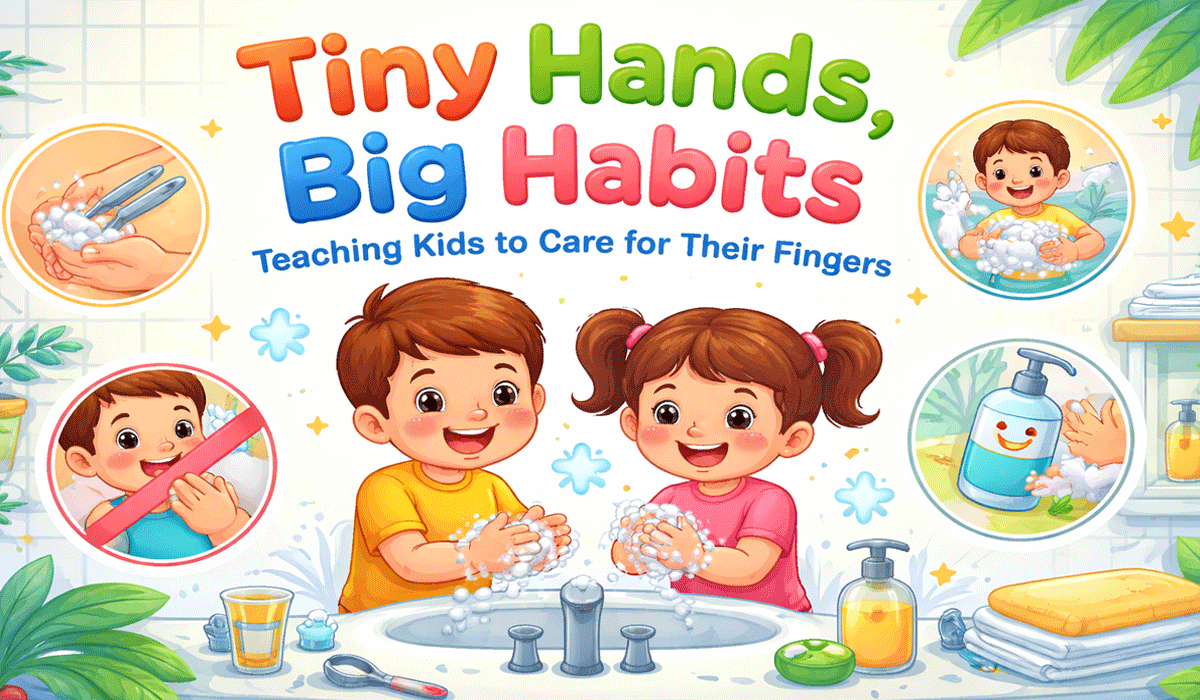
Tiny Hands, Big Habits Teaching Kids to Care for Their Fingers
From an early age, children need to be taught the habit of maintaining body health, including small parts that are often neglected, such as fingers.
In fact, fingers play an important role in daily activities, from eating, writing, playing, to exploring the surrounding environment. Below Finger Health Education will discuss getting children accustomed to finger care from an early age, so they can avoid various health problems such as infections, injuries, and nail growth disorders.
Why Finger Health Matters for Children
Children use their fingers every day for eating, writing, playing, and exploring the world. Because of this, their fingers often come into contact with many surfaces that may carry germs. Without proper care, these germs can enter the body and cause infections or illness. Teaching children to care for their fingers helps protect their overall health in a simple but effective way.
Healthy fingers also support a child’s growth and development. Clean hands and well-maintained nails allow children to carry out daily activities comfortably and confidently. When children feel good about their hygiene, they are more likely to stay active, learn better, and build positive habits that last into adulthood.
Simple Ways to Teach Finger Hygiene
Teaching children about finger care does not have to be complicated. One of the easiest habits to start with is regular handwashing. Encourage children to wash their hands with soap before eating, after playing, and after using the bathroom. This simple routine helps remove dirt, bacteria, and other harmful substances from their hands and fingers.
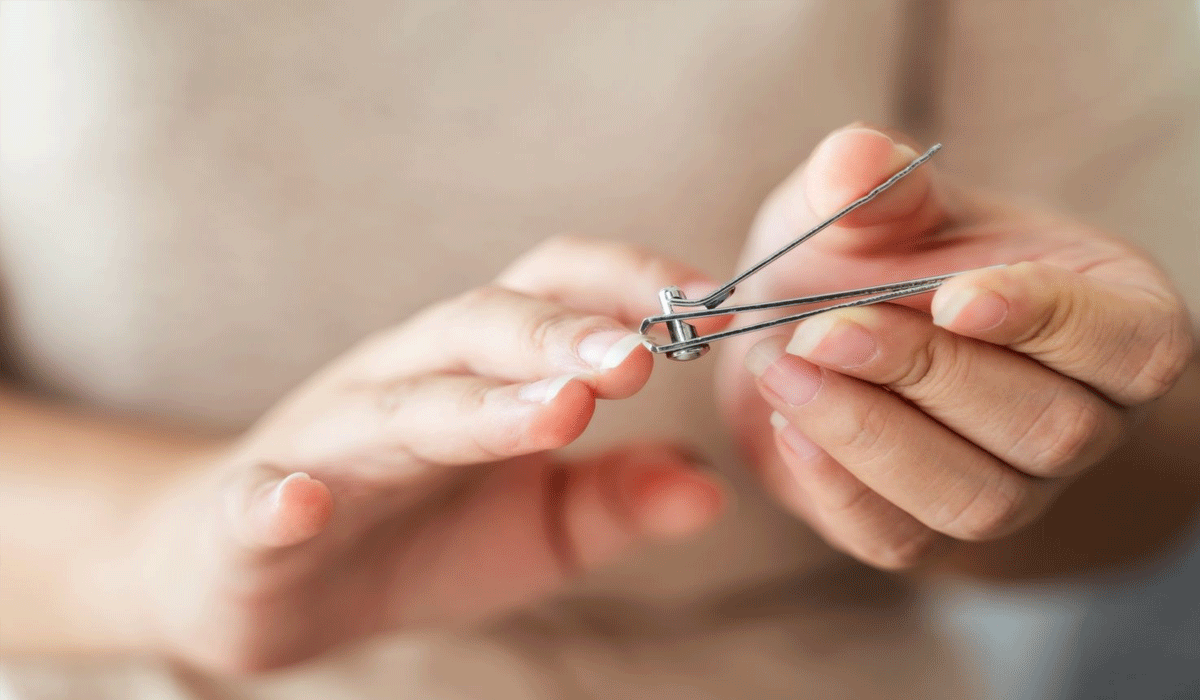
Parents can also teach children to keep their nails short and clean. Long nails can trap dirt and germs, which increases the risk of infection. By showing children how to trim their nails safely and regularly, parents help them understand the importance of cleanliness and self-care from an early age.
Read Also: A Complete Guide to Balanced Nutrition for Early Childhood
Building Healthy Habits That Protect Fingers
Some habits, such as biting nails or putting fingers in the mouth, can harm a child’s finger health. These habits may seem small, but they can introduce germs into the body and lead to illness. It is important to guide children gently to avoid these behaviors and replace them with healthier alternatives.
Parents can help by providing distractions when children feel the urge to bite their nails, such as toys, activities, or creative games. With patience and consistency, children can gradually stop harmful habits and develop better ones that protect their health and well-being.
The Important Role of Parents
Parents play a key role in shaping their child’s habits. Children often learn by observing, so when parents practice good hygiene, children are more likely to follow. Simple actions like washing hands regularly and keeping nails clean can make a strong impression on young minds.
In addition, teaching should be fun and engaging. Parents can use stories, songs, or games to explain why finger hygiene is important. When learning is enjoyable, children are more likely to remember and practice these habits without feeling forced.
Growing Up with Healthy Finger Habits
Developing good finger care habits early in life helps children stay healthy as they grow. Small actions like washing hands, trimming nails, and avoiding harmful habits can make a big difference in preventing illness and promoting overall well-being.
When parents guide and support their children consistently, these habits become part of their daily routine. Over time, children grow into adults who value cleanliness and health, carrying these positive behaviors into every stage of life.
Thank you for reading this guide on teaching children to take care of their fingers and build healthy habits. Find more simple and useful tips to support your child’s hygiene and well-being as they grow only here Finger Health Education.
Image Information Source:
First Image from: https: tilhifi.info
Second Image from: https: www.verywellhealth.com