
Finger Care Across the Lifespan Tips and Education
Fingers play a crucial role in our everyday lives, enabling tasks such as typing, writing, cooking, and even playing musical instruments.
Proper education on finger health can prevent injuries, maintain function, and promote overall hand wellness. This guide explores practical tips for all ages.
Finger Care in Childhood
During childhood, fingers are still developing, making gentle care essential. Encourage children to avoid biting nails and to keep hands clean. Simple exercises like finger stretching or play-based activities can enhance coordination. Protective measures, like gloves during outdoor play, prevent cuts and scrapes.
Educating children early about finger safety builds lifelong habits. Teach them to handle tools carefully, from scissors to sports equipment. Reinforcing hygiene and basic hand care reduces the risk of infections like warts or nail fungus.
Parents can incorporate fun routines that strengthen finger muscles. Activities such as clay modeling, finger painting, or musical instruments help develop fine motor skills while promoting healthy finger movement.
Maintaining Finger Health in Adolescence
Adolescence often brings intensive computer and smartphone use. Overuse can lead to strain, discomfort, or repetitive stress injuries. Encourage regular breaks and simple stretches to relieve tension. Ergonomic tools like supportive keyboards or grips can reduce strain.
Adolescents should be aware of proper nail care and hygiene to prevent infection. Discourage habits like nail biting or excessive picking. Education on posture and hand positioning while typing or gaming can protect joints and tendons.
Sports and physical activities require extra caution. Wearing protective gloves or finger supports during high-risk activities can prevent sprains or fractures. Guidance on safe techniques is crucial for long-term finger health.
Also Read: Healthy Fingers Happy Kids, Nurturing Little Hands from the Start
Finger Care in Adulthood
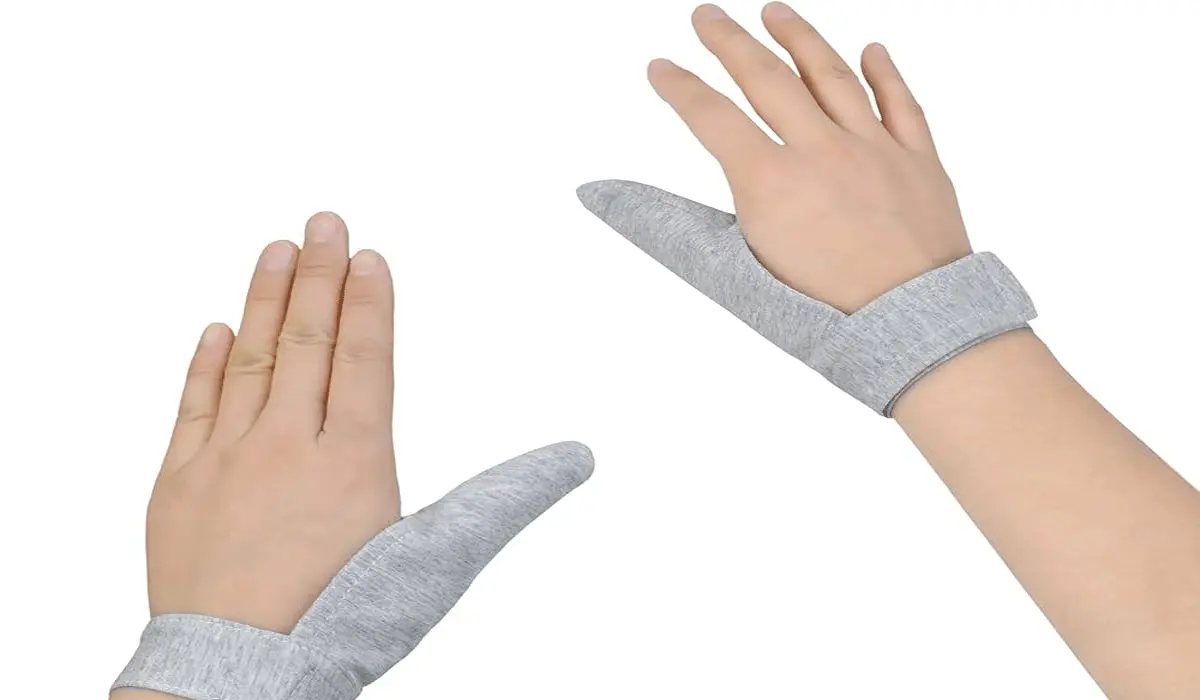
Adults often face work-related strain or minor injuries. Regular stretching and strengthening exercises can maintain flexibility and dexterity. Moisturizing and nail care prevent dryness, cracking, or brittleness.
Professionals using keyboards, tools, or machinery should consider ergonomic setups. Finger exercises, wrist supports, and scheduled breaks reduce repetitive stress risks. Awareness of early signs of conditions like arthritis or carpal tunnel syndrome is essential for prevention.
Maintaining overall wellness supports finger health. A balanced diet rich in vitamins and minerals, alongside hydration, promotes joint and skin resilience. Educating adults on recognizing injury symptoms ensures timely care and treatment.
Finger Care in Older Adults
Aging brings natural changes like reduced dexterity and joint stiffness. Gentle exercises, hand massages, and flexibility routines help maintain movement. Regular check-ups with healthcare professionals ensure early detection of arthritis or circulation issues.
Adaptations, such as ergonomic utensils, supportive grips, or assistive devices, aid in daily activities. Educating older adults on safe handling of objects and injury prevention is key to preserving independence.
Hydration and skin care become even more critical, as skin thins with age. Moisturizers, gentle cleansing, and nail trimming prevent infections and discomfort.
Educating Across Generations
Awareness and education about finger health should span all ages. Workshops, online resources, and community programs can promote healthy habits from childhood to senior years. Sharing practical tips helps families implement consistent finger care routines.
Encouraging open discussion about pain, injuries, or mobility issues ensures early intervention. Technology and creative tools can support learning and engagement, making finger care accessible and enjoyable for everyone.
Image Information Source:
First Image from: behavioralhealthservicesogc.com
Second Image from: www.amazon.in