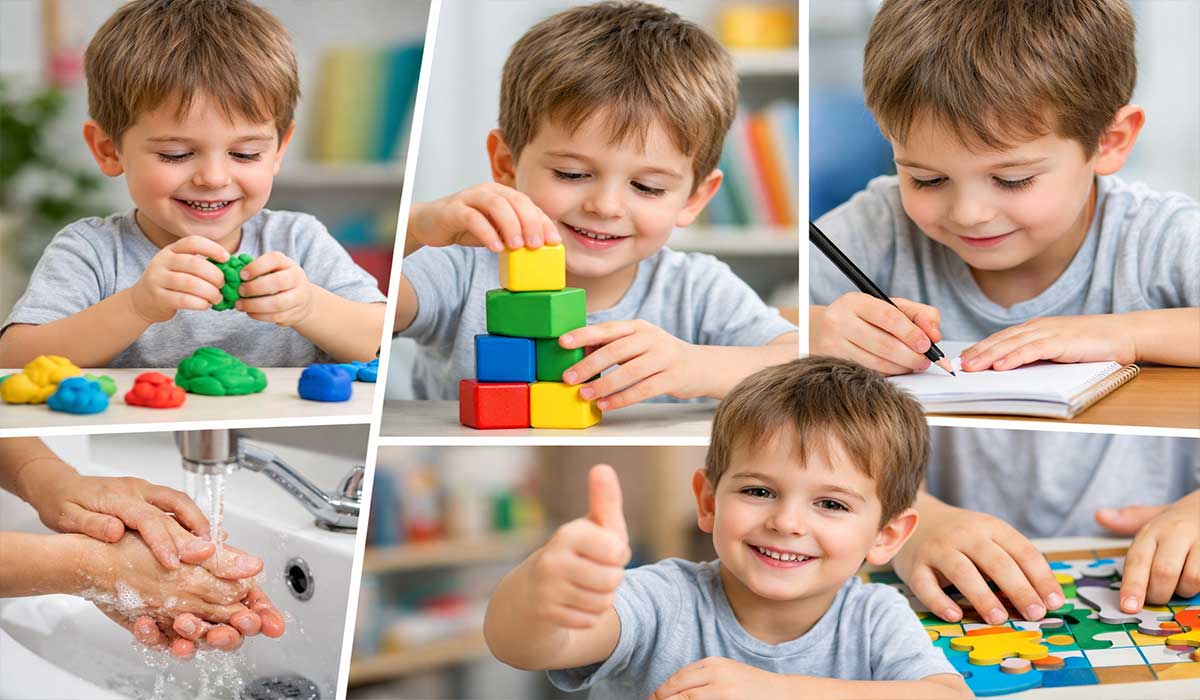
Tips for Caring for Your Child’s Fingers to Grow Healthy and Strong
Healthy fingers are essential for a child’s overall development, from fine motor skills to confidence in daily activities.
Teaching children proper finger care early helps prevent infections, injuries, and developmental delays. This guide, Finger Health Education will walk shares practical tips for parents to ensure their child’s fingers grow strong, healthy, and fully functional.
Keep Fingers Clean
Maintaining clean fingers is the first step toward healthy hands. Children often touch many surfaces while playing, which exposes their fingers to germs and dirt. Regular handwashing with soap, especially before eating and after playing, reduces the risk of infections. Encouraging children to avoid biting their nails or touching their face with dirty hands is equally important.
These habits can spread germs and irritate the skin around the fingers. Making hygiene fun can increase compliance. You can turn handwashing into a game, use colorful soaps, or reward children with stickers for consistent practice. Building these habits early lays the foundation for a lifetime of clean and healthy hands.
Trim Nails Safely
Regular nail trimming prevents overgrown nails, which can cause discomfort, scratches, or infections. Use child-safe nail clippers and be careful not to cut too close to the skin to avoid pain or bleeding. Keeping nails smooth and properly shaped also prevents accidental scratching of themselves or others.
Involving children in the process letting them choose the nail clipper or color of nail file helps them become comfortable with personal care routines. Early nail care builds responsibility and independence in personal hygiene.
Read Also: Understanding Respiratory Conditions and Cutting-Edge Therapies
Exercise Finger Strength
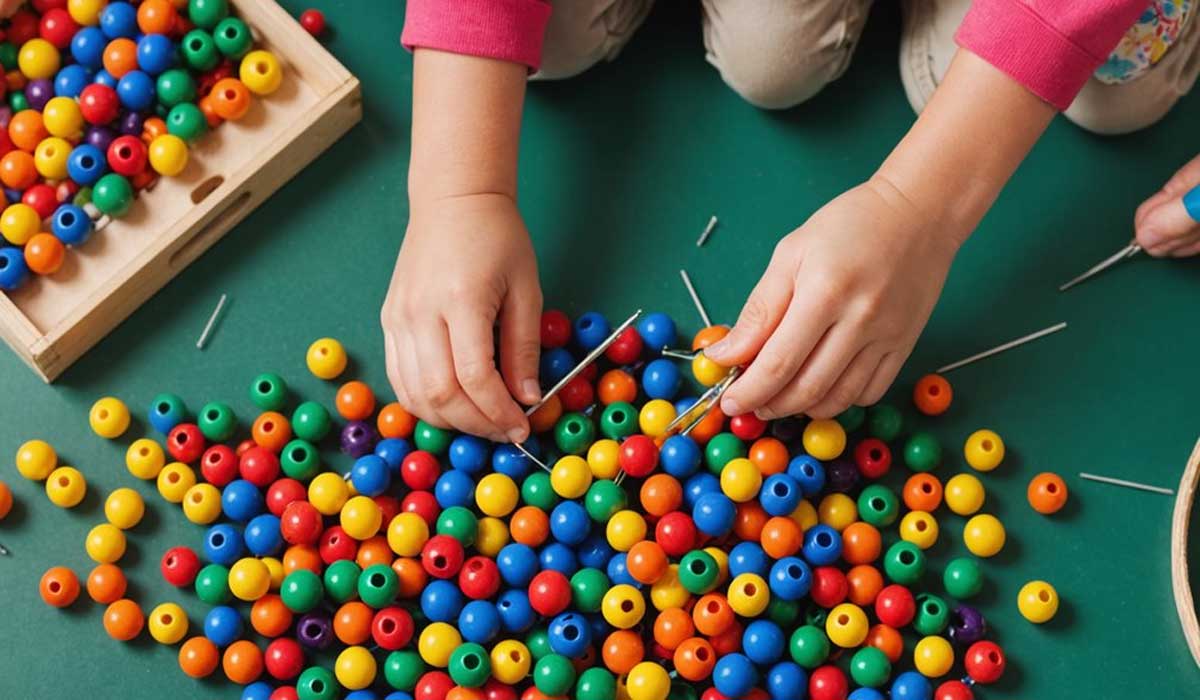
Finger exercises are vital for motor skill development and hand coordination. Simple activities like squeezing clay, stacking blocks, or picking up small objects strengthen muscles and improve flexibility.
Arts and crafts, like coloring, painting, or threading beads, also enhance fine motor skills. These activities are fun while developing essential hand strength. Regular exercises encourage children to use their fingers confidently and improve their ability to grasp, write, and perform other daily tasks efficiently.
Protect Fingers from Injury
Active children often face minor injuries like bruises, cuts, or jammed fingers. Supervising play and teaching safety habits helps reduce these risks.Encouraging the use of protective gloves during outdoor or potentially hazardous activities provides extra safety.
Parents should create safe play environments and teach children to handle toys, tools, or doors carefully. Protecting fingers early prevents injuries that could affect hand function in the future.
Watch for Health Signs
Even with proper care, children’s fingers may show warning signs like swelling, redness, or changes in nail color. These could indicate infections, nutritional deficiencies, or other health issues. Monitoring these signs and consulting a pediatrician when necessary ensures timely treatment and prevents complications.
Awareness of finger health supports overall hand function, enabling children to perform daily activities, play, and learn with confidence. Early intervention keeps fingers healthy and strong for years to come. Thank you for taking the time to read our guide on Caring for Your Child’s Fingers – Tips for Healthy and Strong Hands, we will provide lots of other useful information on child health, hand care, and development tips for all ages.
Image Source:
- First Image from: tilhifi.info
- Second Image: skillpointtherapy.com