The Role of the Family in Supporting Elderly Health at Home
Families play an important role in maintaining the health of the elderly at home through attention and support in daily activities.
The elderly are an advanced age group who require physical and mental health attention, as well as family support to maintain a good quality of life. Below, Finger Health Education – Caring for All… will discuss the various roles of the family in maintaining the health and well-being of elderly family members at home.
Consistent Emotional Care from the Family
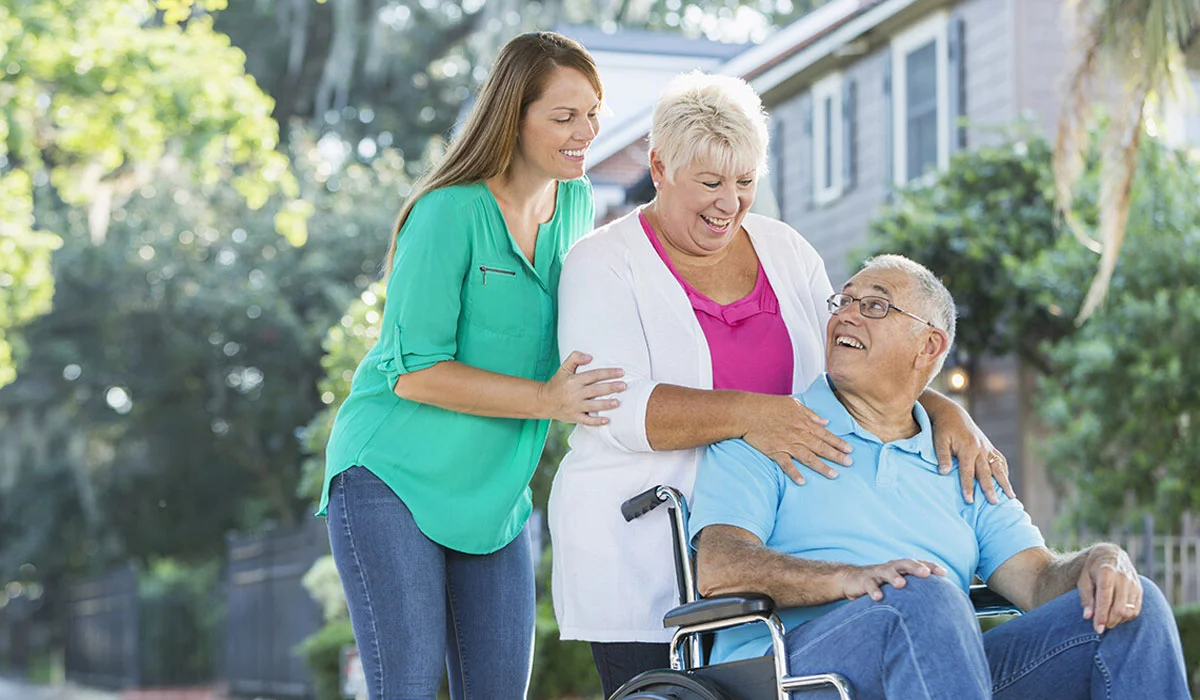
Emotional care from the family plays a significant role in maintaining the mental health and happiness of seniors living at home with other family members. Emotional support can be provided through warm communication, listening to stories of life experiences, and involving parents in daily conversations.
Feeling appreciated and cared for can boost enthusiasm for life and reduce the loneliness that often arises in old age. Furthermore, families can create a comfortable and respectful home atmosphere so that elderly family members feel safe. Simple examples include engaging in discussions over meals or involving them in family activities.
Good social interactions help maintain emotional stability and strengthen relationships between family members, making daily life more meaningful and harmonious for all household members.
Help Maintain a Healthy Lifestyle at Home
Families have an important responsibility in helping seniors maintain a healthy lifestyle by organizing balanced and targeted daily activities. One step that can be taken is ensuring a regular meal schedule with a balanced, nutritious menu that supports physical health. Furthermore, family members can remind them to get enough rest and help maintain a light exercise routine, such as walking around the house.
Regular physical activity helps maintain physical fitness and improves sleep quality. Families can also monitor the consumption of medications or vitamins as recommended by healthcare professionals. With the support of a healthy home environment, good habits can be consistently established. This not only helps maintain a stable physical condition but also supports overall well-being in daily life.
Also Read: Practical And Safe Tips For Caring For Children’s Nails And Fingers
Creating a Safe Home Environment
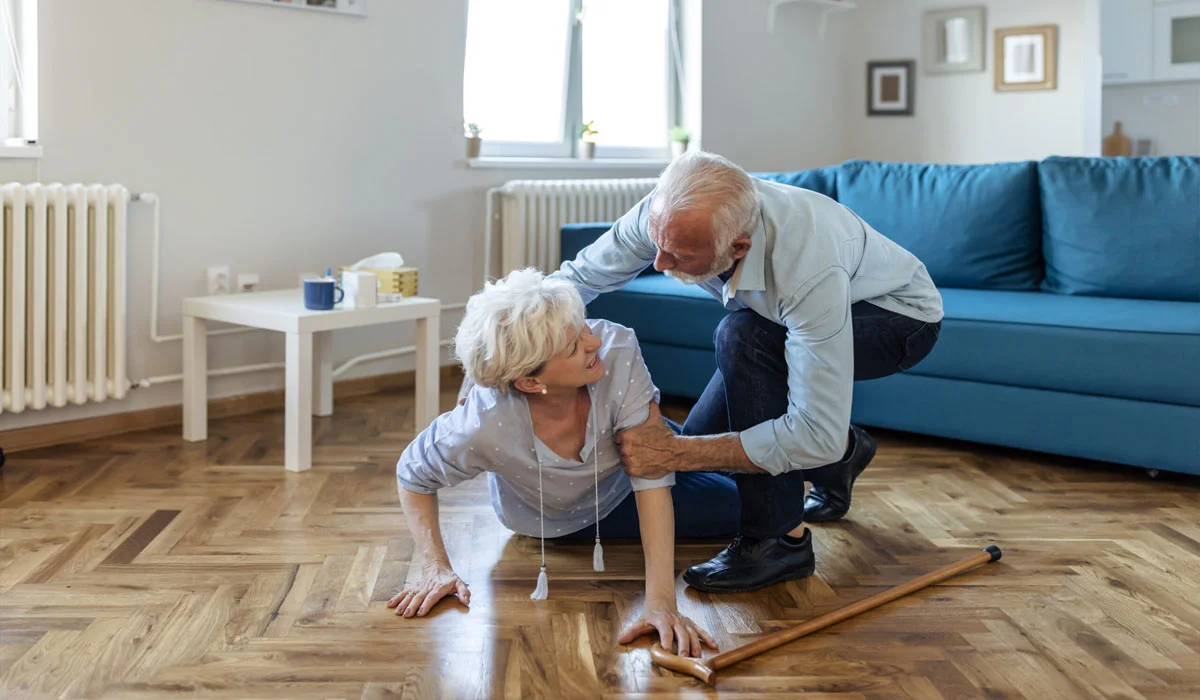
A safe home environment is crucial for supporting the comfort and safety of seniors in carrying out daily activities. Families can make several simple adjustments to make their homes more age-friendly. Examples include ensuring adequate lighting, installing grab bars in the bathroom, and avoiding slippery floor surfaces. Furniture arrangement should also be considered to ensure ample walking paths and prevent impeding mobility.
Furthermore, essential items such as medications, walking aids, or eyeglasses should be placed in easily accessible locations. A safe environment helps reduce the risk of injury from falls or mobility difficulties. By paying attention to these safety aspects, family members can help create a more comfortable living space so that daily activities can be carried out with confidence and safety.
Supporting Social and Mental Activities
Engagement in social and mental activities is crucial for maintaining the psychological health of seniors living at home with their families. Families can help by encouraging them to participate in activities that stimulate the mind and socialize. Examples include reading together, playing light games, attending religious services, or participating in community events. These activities help maintain cognitive function and boost self-confidence.
Furthermore, activities that involve communication also help reduce feelings of isolation often experienced in older age. Family support in providing opportunities for activity makes daily life feel more meaningful. An active social environment can also strengthen emotional bonds within the family and provide mental stimulation, which is essential for long-term well-being.
Assisting with Regular Health Monitoring
Regular health monitoring is an important step families can take to ensure the elderly are maintaining their well-being. Family members can help by reminding them of routine health checks, such as blood pressure and blood sugar checks, or consulting with a medical professional. Furthermore, families can also record changes in their physical condition so they can share them with healthcare professionals during checkups.
This support helps detect health problems early, allowing for faster treatment. Families can also help manage medication schedules and ensure they take medication as directed. With regular attention to health conditions, elderly family members can live safer. More comfortable lives and have a better quality of life in the long term.
Image Information Source:
First Image from: www.linkedin.com
Second Image from: www.grandoaksdc.org