Practical And Safe Tips For Caring For Children’s Nails And Fingers
Children’s finger and nail health is often overlooked, yet crucial for learning, playing, and daily development proper childhood.
Clean nails and healthy fingers help children avoid infections, improve comfort, and build healthy living habits from an early age. Caring for children’s nails and fingers does not have to be complicated; with practical and safe steps, parents can ensure their children grow up with healthy and comfortable hands.
This article Finger Health Education – Caring for All… discusses practical tips for maintaining children’s nail and finger health that can be applied daily.
Introducing Proper Handwashing Habits
Handwashing habits are the first step in maintaining children’s finger health. Teach children to wash their hands with soap and running water before eating, after playing outside, and after using the toilet. This helps remove germs attached to the skin and nails, preventing infections and keeping nails clean. Parents can make handwashing fun by using songs or stickers to motivate children to do it regularly.
In addition to frequency, proper handwashing techniques are also important. Make sure children scrub all parts of their hands, including between the fingers and under the nails, for at least 20 seconds. Using mild soap is recommended to prevent skin irritation in children. If running water is not available, alcohol-based hand sanitizer can be an alternative, but it is still important to wash hands with soap and water as soon as possible. This habit becomes the foundation of children’s finger and nail health.
Trimming And Maintaining Children’s Nails Safely
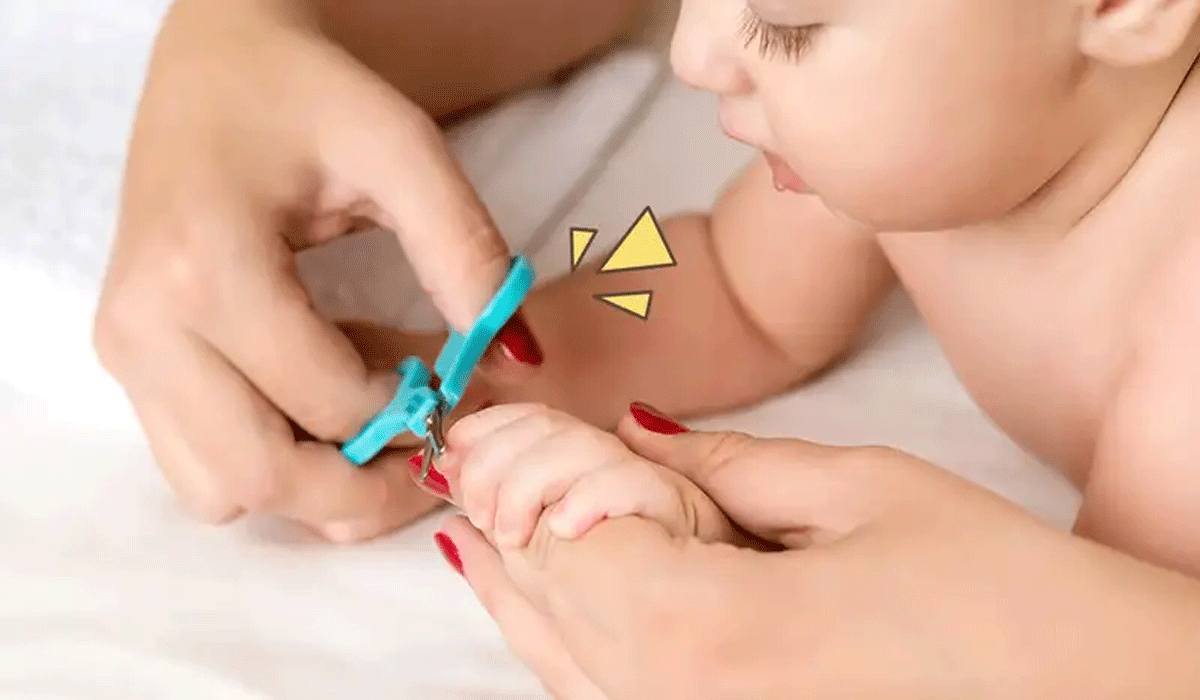
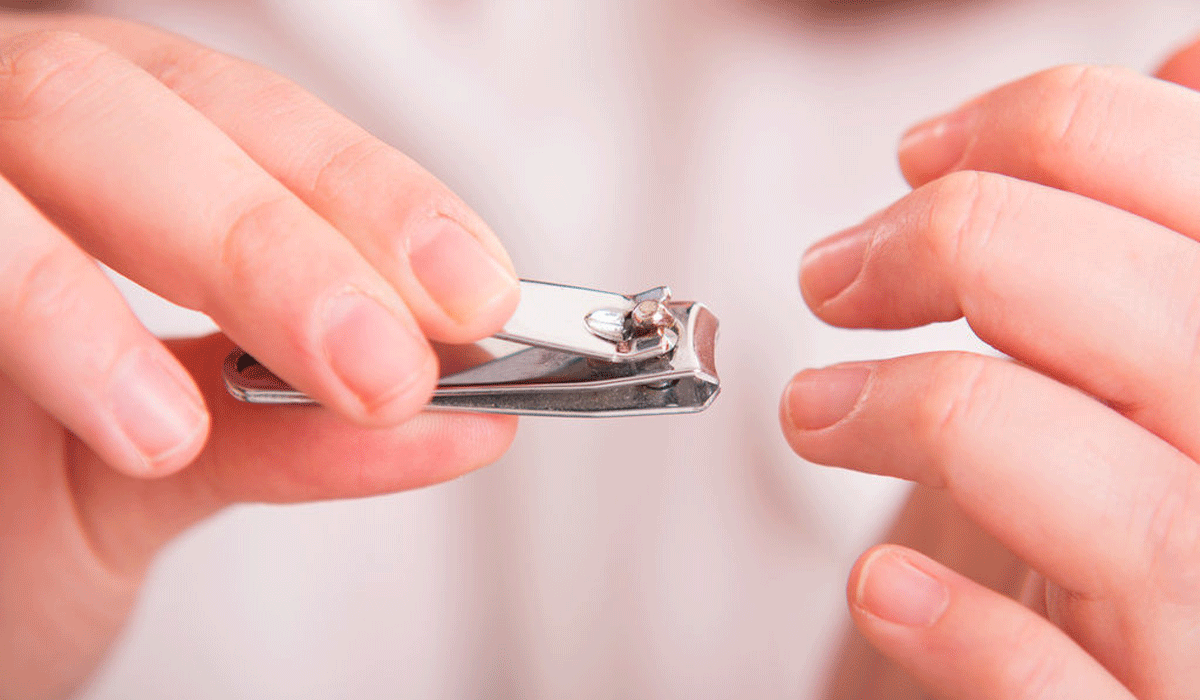
Long nails are more prone to breaking, collecting dirt, and causing infections. Parents should regularly trim their children’s nails using child-safe nail clippers or scissors. Cut nails straight across and avoid cutting them too short to prevent pain or infection around the nail bed. It is best to trim nails when children are calm, such as after bathing, because nails are softer and easier to cut.
Besides trimming, pay attention to the cleanliness of nail-cutting tools. Always use clean and dry tools and store them in a safe place. If dirt is trapped under the nails, use a small brush to clean gently. Avoid digging too deeply under the child’s nails because it can injure the skin. These simple care steps help keep children’s nails healthy, strong, and comfortable for daily activities.
Encouraging Children To Avoid Bad Nail And Finger Habits
Some habits such as biting nails, pulling skin around the nails, or pressing nails too hard can damage nails and increase the risk of infection. It is important for parents to observe children’s behavior and educate them about the negative effects of these habits. Parents can provide alternative activities such as playing with toys or drawing to reduce nail-biting habits.
In addition, create a positive environment to help children learn to care for their fingers and nails more easily. Simple praise when children successfully maintain nail cleanliness or avoid biting their nails can reinforce good behavior. If bad habits continue, consulting a pediatric health professional or child psychologist can help find appropriate strategies without causing stress to the child.
Read Also: Finger Fitness, A Complete Guide To Healthy Hands For All Ages
Keeping Children’s Skin And Nails Moisturized
The skin around children’s fingers tends to become dry, especially during cold weather or after frequent handwashing. Applying a child-safe moisturizer regularly can help maintain skin softness and prevent cracking or irritation. Choose moisturizers that are safe, free from strong fragrances, and suitable for sensitive children’s skin. Apply moisturizer after bathing or whenever the skin feels dry.
In addition to moisturizers, nutrition also plays an important role in nail and finger health. Make sure children receive sufficient vitamins and minerals such as vitamins A, C, D, and biotin, which support strong and healthy nail growth. Fruits, vegetables, and safe protein sources help keep skin and nails in optimal condition. Combining external care with proper nutrition helps protect children’s fingers and nails from long-term problems.
Monitoring Nail Health And Early Signs Of Problems
It is important for parents to regularly check their children’s nails and fingers. Watch for signs such as nail color changes, swelling, pain, or dirt that is difficult to remove. These signs may indicate infections or nail problems that require medical attention. Regular inspection also helps detect early abnormalities such as brittle nails or fungal infections.
If problems are found, immediately consult a pediatrician or dermatologist. Proper and timely treatment prevents further complications and ensures nail health is maintained. Monitoring children’s nails and fingers is not only about appearance but also an important part of maintaining comfort, health, and daily activities.
Conclusion
Maintaining children’s finger and nail health is not difficult if done consistently. Proper handwashing habits, safe nail trimming, moisturizing skin, and regular monitoring are practical steps that can be applied every day. Educating children early about the importance of finger and nail hygiene helps build healthy lifestyles that last into adulthood.
In addition, parents play an important role in supporting children to avoid bad habits and ensuring adequate nutrition. With simple but consistent attention, children can have healthy, strong, and comfortable fingers and nails for learning, playing, and daily activities. Healthy fingers and nails are part of the foundation of optimal child growth and development.
First Image from www.orami.co.id
Second Image from tirto.id