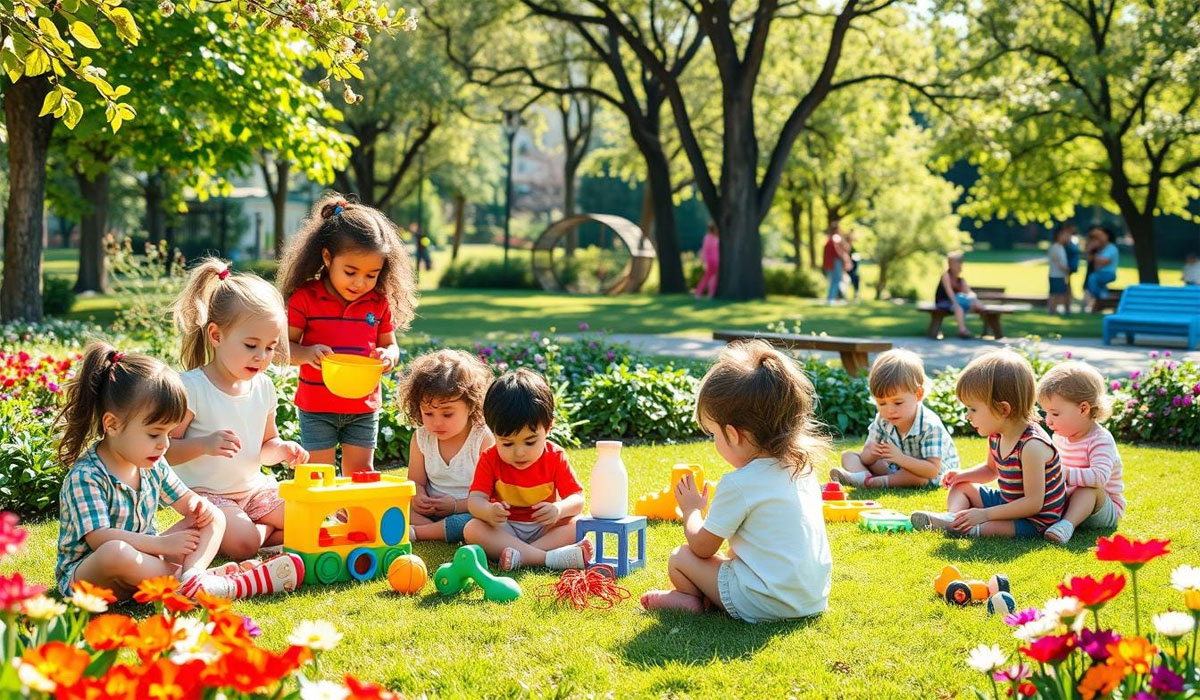
Maintaining Children’s Health from an Early Age for a Bright Future
Learn how to maintain children’s health from an early age, ensuring a bright, strong future through proper nutrition, activity, and care.
Children’s health is the foundation of a strong, productive, and fulfilling life. What happens in early childhood significantly influences physical growth, cognitive development, emotional stability, and long-term well-being. Establishing healthy habits from a young age not only prevents illness but also supports learning ability, confidence, and social skills.
Parents, caregivers, schools, and communities all play vital roles in shaping a healthy environment for children. By focusing on balanced nutrition, physical activity, mental well-being, preventive care, and positive daily routines, we can help ensure children grow into healthy adults with a bright and promising future.
The Importance of Balanced Nutrition
Proper nutrition is one of the most critical factors in maintaining children’s health. Growing bodies require a balanced intake of carbohydrates, proteins, healthy fats, vitamins, and minerals to support physical development and brain function. Introducing a variety of fruits, vegetables, whole grains, and lean proteins early helps children develop healthy eating habits.
Limiting excessive sugar, salt, and processed foods reduces the risk of obesity, diabetes, and other chronic conditions. When children learn to enjoy nutritious food, they are more likely to carry these habits into adulthood, strengthening their long-term health and immunity.
Encouraging Regular Physical Activity
Physical activity is essential for children’s physical and mental development. Regular movement strengthens muscles and bones, improves coordination, and supports a healthy heart. Activities such as playing outdoors, sports, cycling, or simple exercises help children release energy and reduce stress.
Physical activity also improves concentration and academic performance by increasing blood flow to the brain. Limiting screen time and encouraging active play helps prevent sedentary lifestyles. When exercise is fun and part of daily routines, children are more likely to stay active as they grow older.
Also Read: Tips for Caring for Your Child’s Fingers to Grow Healthy and Strong
Supporting Mental and Emotional Well-Being

Mental and emotional health is just as important as physical health. Children need a safe and supportive environment where they feel valued, heard, and understood. Positive communication, emotional support, and consistent routines help build self-confidence and resilience.
Teaching children how to express feelings, manage stress, and solve problems promotes emotional intelligence. Early attention to mental well-being reduces the risk of anxiety, behavioral issues, and low self-esteem. A healthy emotional foundation allows children to develop strong relationships, adapt to challenges, and maintain overall psychological balance.
Preventive Healthcare and Healthy Habits
Preventive healthcare plays a crucial role in maintaining children’s health. Regular medical check-ups, vaccinations, and dental visits help detect and prevent potential health issues early. Teaching children basic hygiene habits such as handwashing, brushing teeth, and maintaining cleanliness reduces the spread of illness.
The Role of Family, School, and Community
Children’s health is influenced by their surrounding environment. Families set the example through daily routines, lifestyle choices, and emotional support. Schools contribute by providing health education, nutritious meals, and opportunities for physical activity.
Communities play a role by offering safe spaces, healthcare access, and supportive programs for families. When all these elements work together, children benefit from a holistic support system. A positive environment encourages healthy choices and reinforces the importance of well-being in every aspect of life.
Conclusion
Maintaining children’s health from an early age is an investment in the future. Through balanced nutrition, regular physical activity, emotional support, preventive care, and a nurturing environment, children gain the tools they need to thrive.
Healthy children are more likely to succeed academically, socially, and emotionally, laying the groundwork for a brighter future. By prioritizing health early, we empower the next generation to grow with strength, confidence, and resilience, ensuring they are well-prepared to face life’s challenges and opportunities.