How to Stay Healthy in Old Age
Maintaining good health in old age is key to remaining independent and happy, learn tips on nutrition, exercise, and mental health for seniors.
As we grow older, our bodies and minds face new challenges that require attention, care, and a proactive approach. Staying healthy in old age involves physical activity, proper nutrition, mental wellness, and regular medical check-ups.
By adopting the right habits, seniors can enjoy better quality of life, prevent chronic illnesses, and remain active for longer. This Finger Health Education – Caring for All… guide provides practical strategies to support a healthier and more fulfilling life in your later years.
Focus on Balanced Nutrition
A balanced diet is the foundation of good health at any age, but it becomes especially important in older adulthood. Proper nutrition can boost immunity, maintain energy levels, and prevent age-related diseases. Seniors should prioritize nutrient-rich foods and maintain hydration to support their body’s changing needs.
Include Nutrient-Dense Foods
Fruits, vegetables, whole grains, lean proteins, and healthy fats provide essential vitamins and minerals that help maintain strength and immunity. Foods rich in calcium and vitamin D are particularly important for bone health, while omega-3 fatty acids support heart and brain function.
Monitor Portion Sizes and Hydration
As metabolism slows with age, controlling portion sizes helps maintain a healthy weight and prevents digestive issues. Staying hydrated is equally important, as older adults are more prone to dehydration. Drinking water regularly and including hydrating foods like fruits and soups can support overall wellness.
Stay Physically Active
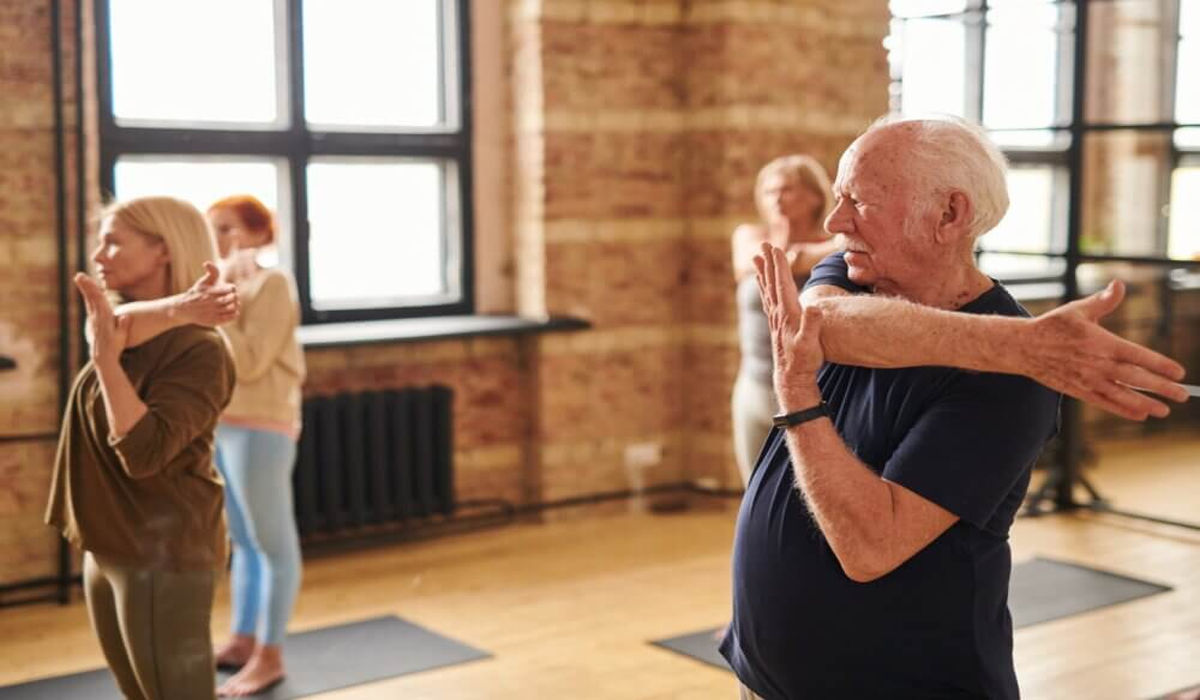
Regular physical activity helps maintain mobility, strength, and overall health. Exercise in old age can prevent muscle loss, improve balance, reduce the risk of falls, and support cardiovascular health. It also boosts mood and mental well-being, making daily life more enjoyable.
Incorporate Low-Impact Exercises
Activities such as walking, swimming, yoga, and light resistance training are gentle on the joints while improving strength and flexibility. Even short daily sessions can make a significant difference in maintaining physical health and independence.
Prioritize Balance and Flexibility
Balance exercises help reduce the risk of falls, which are common among seniors. Simple movements like standing on one foot, stretching, or gentle tai chi can improve stability and flexibility, promoting safer mobility.
Read Also: Fingers in Focus: Expert Secrets for Perfect Hand Care
Maintain Mental and Emotional Wellness

Good mental health is as important as physical health in old age. Staying mentally active, managing stress, and maintaining social connections contribute to overall well-being and prevent cognitive decline.
Engage in Stimulating Activities
Reading, puzzles, learning new skills, or participating in hobbies can keep the brain active. Lifelong learning and curiosity help improve memory, focus, and problem-solving skills while providing a sense of purpose.
Foster Social Connections
Strong social ties reduce feelings of loneliness and depression. Regular interaction with family, friends, or community groups provides emotional support and keeps seniors engaged in meaningful activities.
Conclusion
Staying healthy in old age requires a holistic approach that includes proper nutrition, regular physical activity, and mental and emotional wellness. Seniors who adopt balanced diets, exercise routines, and stimulating social and cognitive activities are more likely to maintain independence, prevent chronic illnesses, and enjoy a higher quality of life.
Consistency, self-care, and proactive health management are key to aging gracefully. By focusing on these strategies, older adults can lead fulfilling, active, and vibrant lives while minimizing common age-related health challenges. Prioritizing health in later years is not just about longevity but also about living well and enjoying every stage of life.