How to Stay Healthy and Independent in Old Age
Practical tips for staying healthy and independent in old age through a healthy lifestyle, exercise, and a balanced diet.
Being healthy and independent in old age is the dream of many people, requiring daily care of body, mind, and a balanced lifestyle. Below, Finger Health Education – Caring for All… will discuss practical and effective strategies for seniors to stay healthy, fit, and independent in their daily lives.
Maintain a Healthy and Nutritious Diet
Eating healthy foods is the main foundation for maintaining health in old age. Choose foods rich in fiber, vitamins, minerals, and healthy proteins such as fish, nuts, or lean meats. Limit your intake of sugar, salt, and saturated fat to reduce the risk of chronic disease. Increase your intake of fruits, vegetables, and whole grains to support digestion and immunity.
Balanced meal portions help maintain energy, metabolism, and a healthy weight. Adequate hydration is also important, as older adults are more susceptible to dehydration, which can affect brain function and overall physical health.
Regular Exercise and Physical Activity
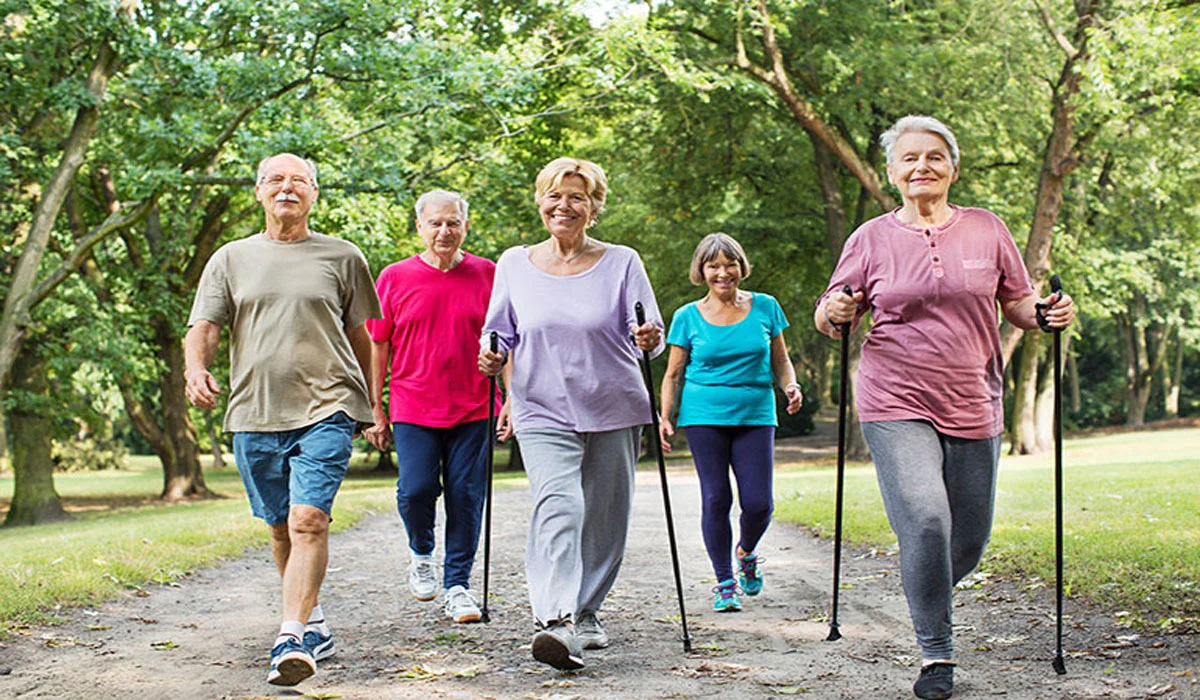
Regular physical activity is important for maintaining muscle strength, bones, and balance. Walking, gymnastics, yoga, or swimming can improve flexibility and stamina. Exercise also supports heart health and prevents obesity, as well as reducing the risk of falls.
Physical activity is not only physically beneficial but also mentally beneficial, as it helps reduce stress, improve mood, and improve sleep quality. Consistent exercise helps seniors maintain independence in daily activities, facilitates the performance of routine tasks without assistance, and maintains an optimal quality of life.
Maintaining Mental and Social Health
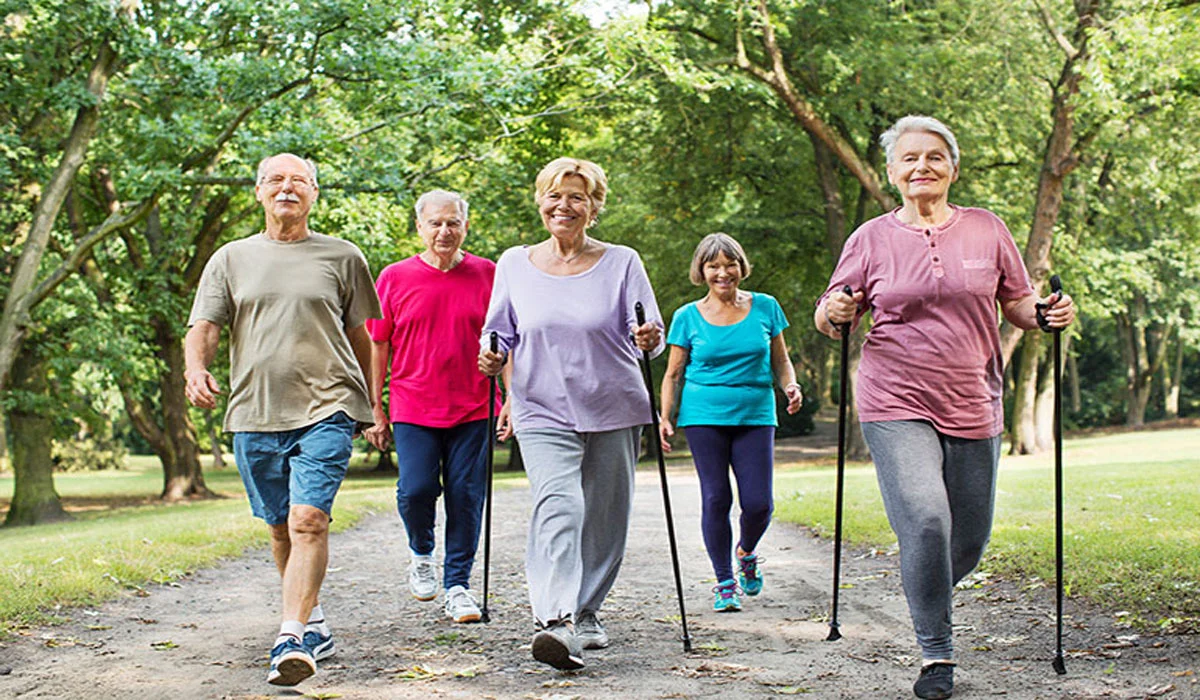
Mental health affects the ability to remain independent and enjoy life. Seniors are encouraged to maintain communication with family, friends, and the community to feel connected and socially engaged. Brain-stimulating activities, such as reading, writing, or solving puzzles, help maintain mental alertness.
Relaxation, meditation, or hobbies also play an important role in reducing stress and maintaining emotional stability. Healthy social relationships and mental stimulation help prevent depression, boost self-confidence, and maintain motivation to stay active and participate in daily activities.
Routine Health Checks and Disease Prevention
Routine health checks allow for early detection of many common diseases in seniors, such as hypertension, diabetes, high cholesterol, or bone problems. Blood tests, blood pressure checks, heart screenings, and vaccinations are important preventative measures. Early treatment helps prevent serious complications.
Additionally, maintaining good personal hygiene, getting regular dental checkups, and recognizing minor symptoms early contribute to overall health. The combination of regular checkups, a healthy lifestyle, and balanced nutrition supports independence and a better quality of life.
Developing Independent and Positive Living Habits
Independence in older age is not only about physical well-being, but also about mental well-being. Establishing daily routines, learning simple technology, and engaging in activities that can be done independently increases self-confidence. Seniors who remain active in social activities or hobbies report higher levels of life satisfaction.
Managing stress, remaining optimistic, and maintaining a positive attitude support mental and emotional health. A safe and comfortable environment, combined with healthy living habits, helps seniors live independent, productive, and happy lives. Learn how to maintain your health and independence when you are in old age only at Finger Health Education – Caring for All….
Image Information Source:
First and Second Images From: www.thriveusahomecare.com