
Healthy Fingers, Happier Life: A Practical Guide to Finger Health Education
Fingers play a vital role in daily life, maintaining their health ensures comfort, strength, and overall well-being.
Our fingers are essential tools that perform countless tasks daily, from typing emails to holding a cup of coffee. Despite their importance, finger health is often overlooked, leading to discomfort, stiffness, or long-term issues. Maintaining finger health not only improves mobility but also enhances overall quality of life. Finger Health Education will provide practical tips and exercises to keep your fingers strong, flexible, and pain-free.
Understanding Finger Anatomy and Function
The human hand contains 27 bones, with fingers relying on joints, tendons, and ligaments for movement. Each finger plays a unique role, contributing to grip, dexterity, and coordination. Understanding the anatomy helps in recognizing the signs of strain or injury before they worsen.
Finger muscles are smaller but highly active, making them prone to fatigue. Overuse can result in conditions like tendonitis or carpal tunnel syndrome. Awareness of these risks allows for proactive care and daily habits that protect finger health.
Proper education on finger function enables better posture and ergonomics during daily activities. Knowing how fingers interact with tools and devices reduces unnecessary strain. This knowledge lays the foundation for effective finger health practices.
Daily Habits For Stronger Fingers
Simple daily habits can significantly impact finger strength and flexibility. Stretching fingers before and after repetitive activities like typing or gaming helps prevent stiffness. Gentle massaging of fingers also promotes blood circulation.
Maintaining proper hand posture while using keyboards, smartphones, or instruments reduces stress on tendons. Avoiding prolonged gripping or awkward angles can prevent pain and inflammation. Ergonomic tools further support finger health.
Nutrition and hydration play subtle but crucial roles. Foods rich in vitamins C, D, and E, along with omega-3 fatty acids, support joint and tendon health. Staying hydrated keeps tissues supple and reduces fatigue.
Also Read: From Nutrition to Fun Expert Tips for Children’s Health
Exercises to Enhance Finger Mobility
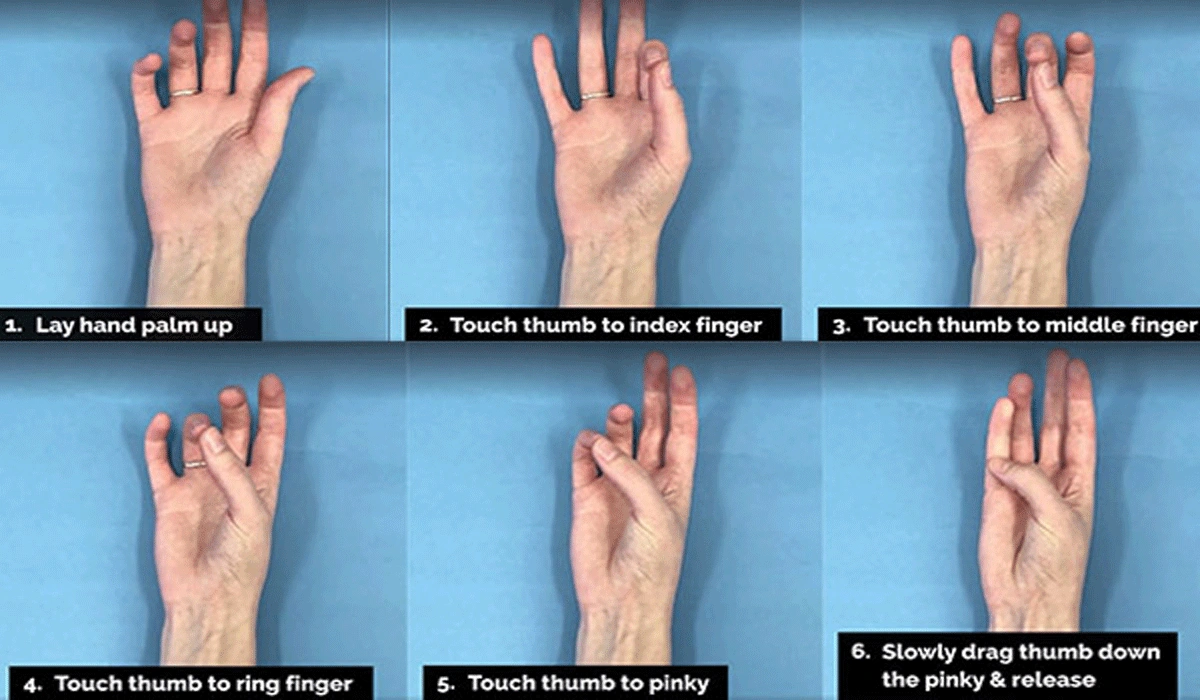
Targeted exercises can improve finger strength and dexterity. Finger taps, stretches, and resistance exercises using soft balls or elastic bands maintain flexibility. Performing these exercises consistently yields noticeable improvements.
Hand yoga and coordinated finger movements enhance range of motion and prevent stiffness. Even five minutes a day can support fine motor skills and reduce discomfort. These exercises are suitable for all ages.
Strengthening exercises also help prevent common injuries like sprains or trigger finger. Incorporating them into daily routines ensures that fingers remain agile and pain-free, supporting long-term hand health.
Preventing Injuries and Recognizing Warning Signs
Awareness of warning signs is crucial for early intervention. Pain, swelling, numbness, or decreased mobility may indicate underlying issues. Prompt attention prevents minor problems from escalating.
Using protective gear during sports or manual labor reduces the risk of fractures or ligament damage. Simple precautions like wearing gloves or taking breaks can significantly minimize injury chances.
Regular check-ups with a hand specialist help monitor finger health. Professional guidance ensures exercises and habits are safe and effective, fostering long-term finger wellness and comfort.
Stay informed with Finger Health Education to ensure your fingers stay strong, flexible, and pain-free, while adopting habits that promote long-term hand health.
Image Information Source:
First Image from: tilhifi.info
Second Image from: handtherapy.com