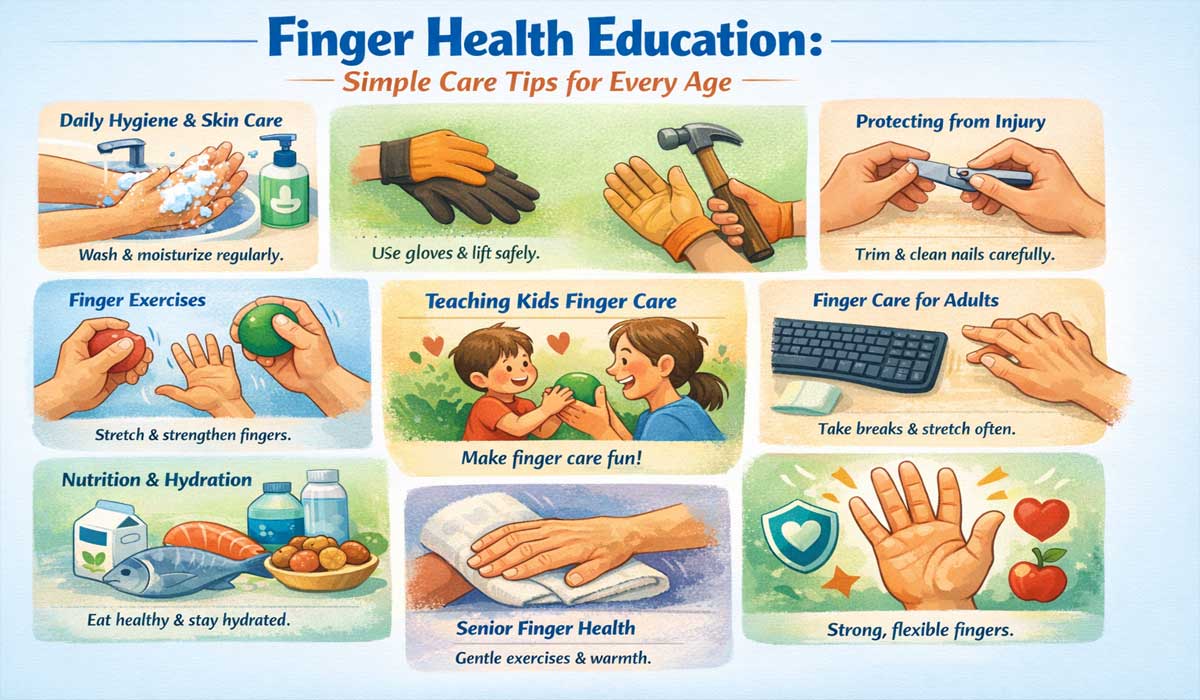
Finger Health Education: Simple Care Tips for Every Age
Fingers play a vital role in almost every daily activity, from writing and typing to cooking and personal care.
Despite their importance, finger health is often overlooked until pain or stiffness appears. Educating yourself about simple finger care can prevent discomfort, reduce injury risk, and maintain flexibility. With the right habits, people of all ages can keep their fingers strong, functional, and healthy for years to come.
Understanding the Importance of Finger Health
Finger health is closely connected to overall hand function and quality of life. Healthy fingers allow smooth movement, strong grip, and precise coordination. When fingers are neglected, small issues such as stiffness or dryness can slowly develop into chronic pain or limited mobility.
Education about finger care helps individuals recognize early warning signs. Swelling, tingling, or persistent soreness should not be ignored. Learning how to care for fingers early encourages better habits and prevents long-term damage.
Daily Hygiene and Skin Care
Keeping fingers clean is the foundation of good hand health. Wash hands regularly with mild soap and lukewarm water. Avoid harsh chemicals that can dry out the skin and cause cracking around the nails.
Moisturizing is equally important. Apply hand cream or natural oils after washing to maintain skin elasticity. Well-hydrated skin protects fingers from irritation and helps prevent painful hangnails or infections.
Simple Exercises to Improve Flexibility
Finger exercises keep joints flexible and improve blood circulation. Simple movements such as opening and closing the hand, finger stretches, and gentle squeezing of a soft ball can be done daily.
These exercises are especially beneficial for people who type frequently or perform repetitive tasks. Just a few minutes each day can reduce stiffness and maintain range of motion.
Protecting Fingers from Injury
Using protective gear when performing manual tasks can significantly reduce finger injuries. Gloves should be worn during gardening, cleaning, or handling sharp tools.
It is also important to use proper techniques when lifting or carrying objects. Avoid using fingers alone for heavy loads. Distribute weight across the palm and arms to minimize strain.
Nail Care and Its Role in Finger Health
Healthy nails reflect healthy fingers. Trim nails regularly and keep them clean to prevent bacteria buildup. Avoid biting nails, as it can introduce germs and weaken nail structure.
Cuticles should be gently pushed back, not cut. This reduces the risk of infection and keeps the nail bed healthy. Simple nail care routines make a noticeable difference.
Nutrition and Hydration for Strong Fingers
Proper nutrition supports strong bones, joints, and skin. Foods rich in calcium, vitamin D, and protein help maintain finger strength and joint stability.
Staying hydrated is equally essential. Water supports tissue elasticity and joint lubrication. Drinking enough fluids each day contributes to overall hand and finger health.
Read Also: Finger Health Matters: Preventing & Managing Common Finger Disorders
Teaching Finger Care to Children
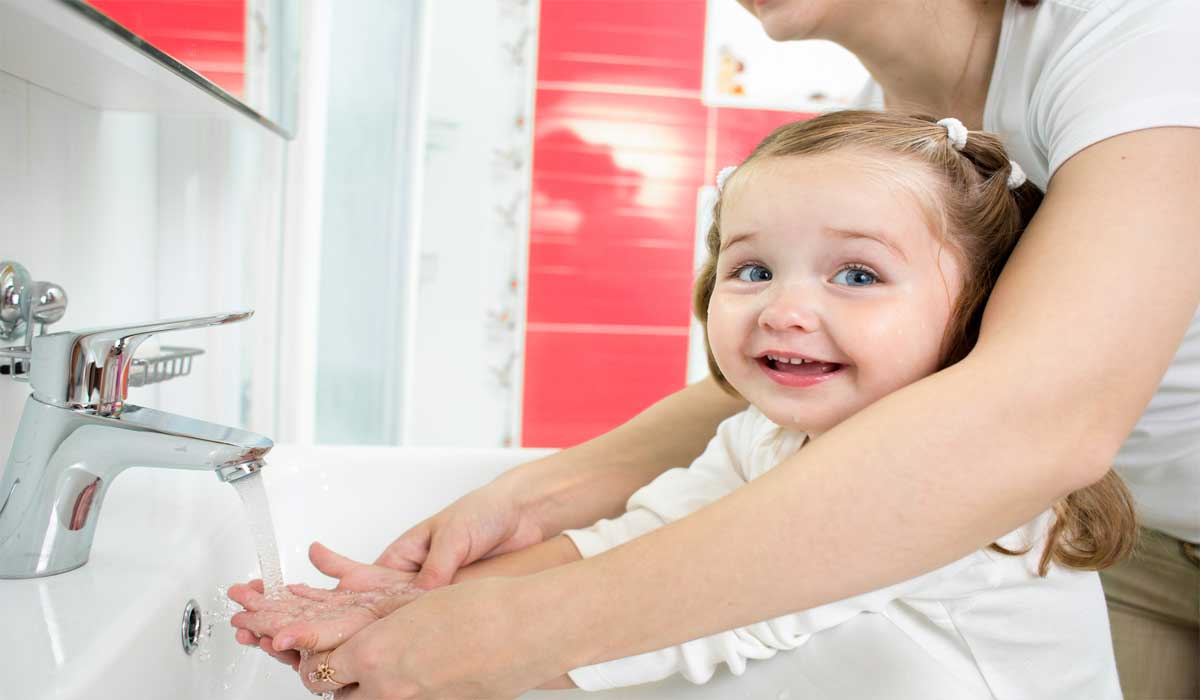
Introducing finger care habits early helps children develop lifelong healthy routines. Teach them proper handwashing, nail trimming, and safe play practices.
Make learning fun by turning exercises into games. Simple activities like finger stretching songs or soft ball squeezing can encourage children to care for their hands naturally.
Adapting Finger Care for Adults
Adults often experience finger strain from work or hobbies. Taking regular breaks from repetitive tasks helps reduce stress on joints and tendons.
Incorporating hand stretches into daily routines can prevent stiffness. Small changes, such as ergonomic keyboards or cushioned grips, also support long-term finger health.
Special Considerations for Seniors
As people age, finger joints may become stiffer and more sensitive. Gentle exercises and warm compresses can ease discomfort.
Seniors should pay close attention to swelling or persistent pain. Consulting healthcare professionals when symptoms appear ensures early treatment and better outcomes.
Building a Lifelong Finger Care Routine
Consistency is key to maintaining finger health. Simple daily habits, when practiced regularly, produce lasting benefits.
By combining hygiene, exercise, protection, and nutrition, individuals of all ages can enjoy strong, flexible fingers. Finger health education empowers everyone to care for their hands with confidence and ease. Also check out other health information only at Finger Health Education – Caring for All…