Finger Fitness, A Complete Guide To Healthy Hands For All Ages
Our hands are incredible tools that we often take for granted, from holding a child’s hand to typing on a keyboard, our fingers play a vital role.
Maintaining their health and flexibility isn’t just about appearance; it’s also about maintaining strength, mobility, and independence at any age. Below, Finger Health Education – Caring for All Ages we’ll explore practical tips and routines for caring for your fingers, preventing injury, and maintaining optimal hand function, whether you’re a child, adult, or senior.
Understanding Your Fingers
Fingers are more than just tools for holding or typing, they are essential for almost every daily activity. Each finger has muscles, tendons, and joints that work together to provide flexibility, strength, and dexterity. Understanding how your fingers function helps in preventing injuries and maintaining long-term health. Every finger has a unique role. The thumb provides grip and opposition, making it possible to hold objects securely.
The index and middle fingers are critical for precision movements, while the ring and little fingers contribute to strength and balance. Knowing their functions can help you target care routines more effectively. Children, adults, and the elderly all need to recognize the importance of finger health. While children may need guidance to avoid strains from play or devices, adults often face repetitive stress from work, and seniors are prone to arthritis and reduced mobility. Awareness is the first step to maintaining healthy hands.
Daily Finger Care Routines
Simple daily routines can keep your fingers strong and flexible. Regular stretching exercises, such as finger bends, spreads, and rotations, improve circulation and reduce stiffness. Even a few minutes a day can make a noticeable difference over time. Moisturizing is equally important. Dry skin and cracked cuticles can lead to discomfort or infections.
Using a gentle hand cream after washing hands helps maintain soft, healthy skin and protects the nails and surrounding tissues. Proper hygiene is a must. Washing hands thoroughly but gently prevents the spread of germs and avoids unnecessary damage. Cutting nails straight and keeping them clean helps prevent ingrown nails and infections, which are common problems if neglected.
Preventing Finger Injuries
Fingers are vulnerable to cuts, sprains, and fractures. Wearing protective gloves during sports, gardening, or heavy work reduces the risk of injuries. Children especially benefit from supervision and safe tools to prevent accidents. Repetitive stress injuries are common in adults who type or use their hands extensively.
Taking regular breaks, stretching fingers, and using ergonomic tools can help prevent conditions like tendonitis or carpal tunnel syndrome. Pay attention to warning signs. Swelling, stiffness, or pain in the fingers should not be ignored. Early intervention with rest, ice, or consulting a doctor can prevent minor issues from becoming chronic problems.
Read Also”Our hands are incredible tools that we often take for granted. From holding a child’s hand to typing on a keyboard, our fingers play a vital role
Read Also: Let’s Keep Our Fingers Healthy Health Education for All Ages
Finger Exercises for Strength and Flexibility
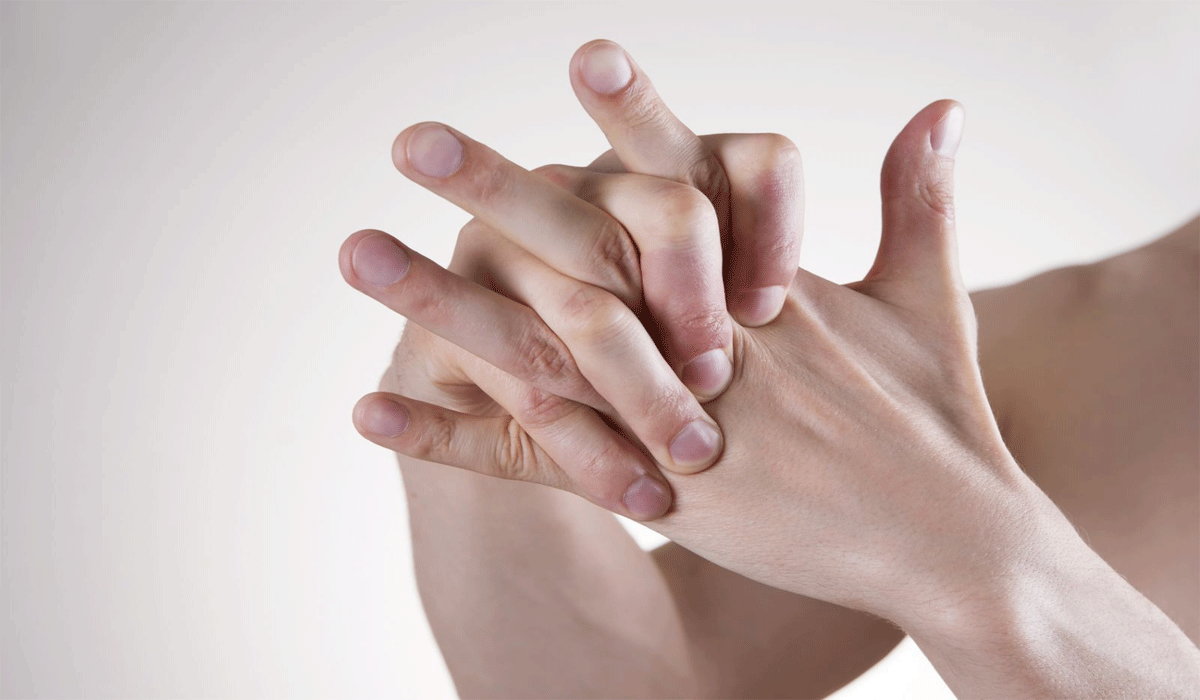
Strengthening and stretching exercises keep fingers agile. Squeezing a soft ball, using a stress ball, or pressing fingers against each other can build muscle and improve grip. These exercises also benefit seniors by maintaining functional independence. Flexibility exercises are essential to prevent stiffness.
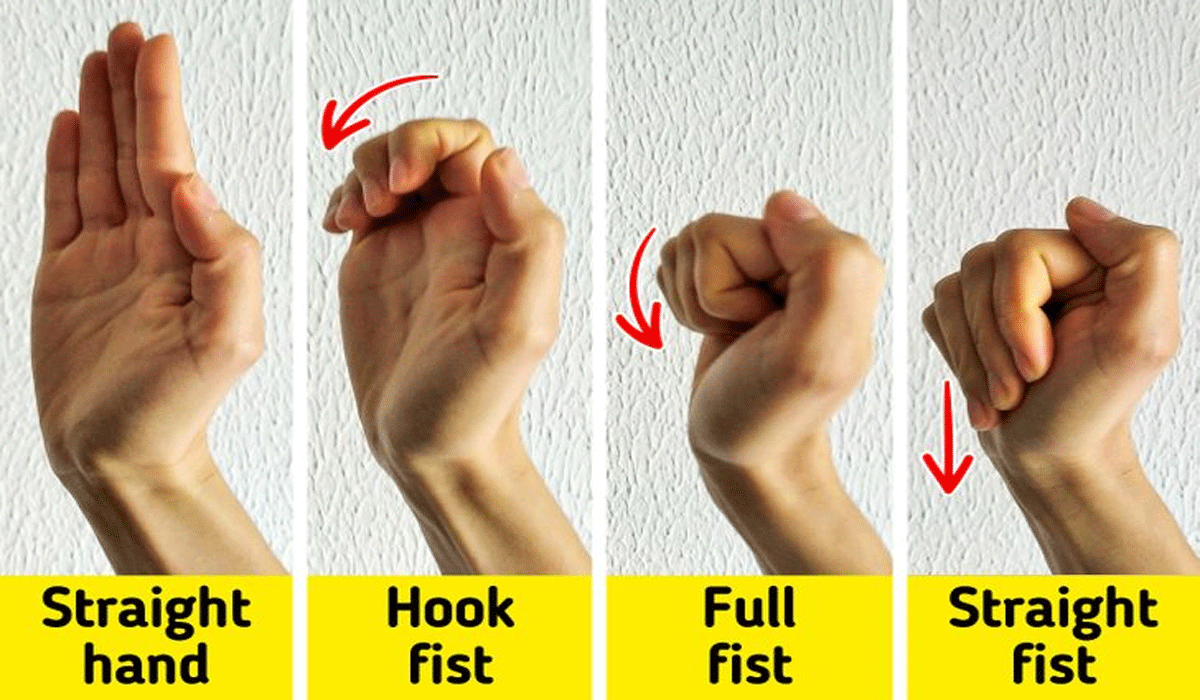
Simple movements like spreading fingers wide, touching fingertips to the thumb, or making a gentle fist increase joint mobility. Doing these exercises daily keeps fingers supple at any age. Consistency is key. Just a few minutes of finger exercises each day can prevent long-term problems and maintain fine motor skills, which are crucial for tasks like writing, cooking, or playing musical instruments.
Caring For Fingers At Every Age
Children need guidance to develop healthy habits. Encourage them to play with tactile toys, avoid prolonged device use, and learn gentle handwashing techniques. Early education in finger care builds a foundation for lifelong hand health. Adults should focus on ergonomics, regular exercise, and proper hand care routines. Avoiding repetitive strain and maintaining flexibility ensures long-term comfort and prevents chronic conditions like arthritis or tendonitis.
For the elderly, maintaining finger mobility is vital. Gentle exercises, proper hydration, and safe daily practices prevent stiffness and enhance quality of life. Healthy fingers help seniors remain independent, confident, and active. Keep your fingers strong and healthy every day, start small, stay consistent, and explore more tips on hand care Finger Fitness.
Image Information Source:
First Image from: brightside.me
Second Image from: www.health.harvard.edu