
Caring for All Ages: Focusing on the Health Needs of the Elderly
As the world’s population continues to age, addressing the healthcare needs of older adults has become more crucial than ever.
Seniors face unique challenges that require specialized care to ensure their quality of life and well-being. From chronic illnesses to mental health concerns, elderly patients often need comprehensive care plans that address both their physical and emotional needs.
In Caring for All Ages article, we’ll explore the key healthcare needs of the elderly and discuss ways to provide the best possible care for this vulnerable population.
Addressing Physical Health Issues
Physical health challenges are among the most significant concerns for older adults. As the body ages, it becomes more susceptible to conditions like arthritis, heart disease, diabetes, and osteoporosis. These conditions can limit mobility and independence, making it essential for healthcare providers to offer treatments that improve quality of life and alleviate pain.
Chronic Disease Management
Elderly individuals often live with chronic conditions that require ongoing management. Regular doctor visits, medication adjustments, and lifestyle changes can help manage symptoms and prevent complications. Personalized care plans are key to ensuring that seniors can continue to live as independently as possible while managing their health.
Preventive Care and Health Screenings
Prevention is always better than treatment, especially for seniors. Regular health screenings and preventive care, such as vaccinations and bone density tests, can catch potential health issues early and reduce the risk of serious complications. Encouraging healthy habits like exercise, a balanced diet, and regular check-ups can significantly improve outcomes for elderly patients.
Mental Health Support for Seniors
Mental health is just as important as physical health, especially as people age. Depression, anxiety, and dementia are common among older adults, often exacerbated by isolation, loss of loved ones, or other age-related factors. Providing mental health support is crucial for maintaining overall well-being.
Dementia and Alzheimer’s Care
Dementia and Alzheimer’s disease are progressive conditions that affect memory, cognitive function, and behavior. Caregivers and healthcare providers need to create environments that are safe, supportive, and stimulating for seniors with these conditions. Cognitive therapies, along with medications, can help manage symptoms and improve the quality of life for those affected.
Combating Loneliness and Isolation
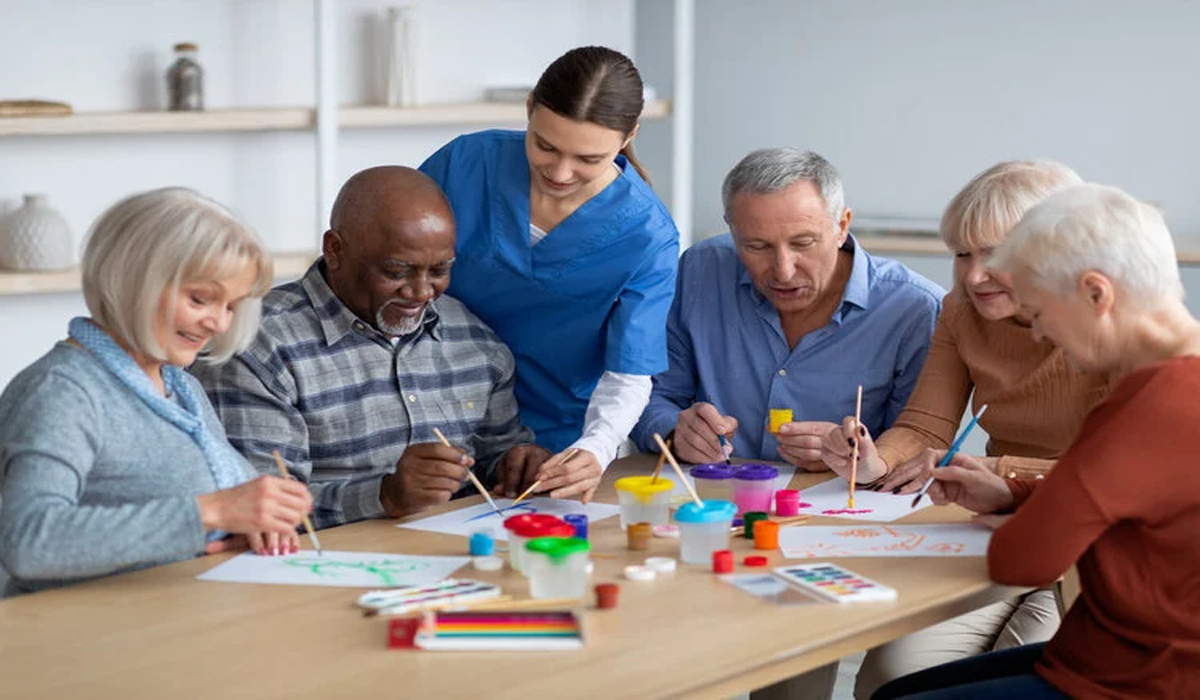
Loneliness is a growing concern for seniors, particularly those who live alone or in rural areas. Social engagement plays a vital role in mental health, and healthcare systems should focus on creating opportunities for elderly individuals to connect with others. Senior centers, group therapy, and virtual activities can help reduce isolation and provide a sense of community.
Also Read: Finger Care Across the Lifespan Tips and Education
Creating a Safe and Supportive Environment
A safe living environment is crucial for seniors’ health and independence. From fall prevention to accessibility modifications, healthcare providers must work with families to create spaces that reduce risks and promote autonomy.
Fall Prevention and Home Modifications
Falls are a leading cause of injury among the elderly. Ensuring that homes are free from tripping hazards, installing grab bars, and improving lighting can help prevent accidents. Healthcare providers can assess seniors’ homes and recommend modifications that will enhance safety.
Accessibility and Mobility Aids
Seniors with mobility issues may need assistive devices like walkers, wheelchairs, or home stairlifts. These tools enable older adults to move around more freely and maintain their independence. Working with occupational therapists can help seniors adjust to mobility aids and use them safely.
Conclusion
Caring for the elderly is a complex but rewarding responsibility. By focusing on both physical and mental health, creating safe environments, and promoting preventive care, we can ensure that older adults live healthier, happier lives. The healthcare system must continue to evolve to meet the growing demands of this aging population, providing the support and resources they need to thrive at every stage of life.
Let us all commit to valuing and supporting our elders, embracing the spirit of Caring for All Ages, taking proactive steps to improve their well-being, and fostering a society where aging is embraced with dignity and respect.
Image Information Source:
- First Image : mariposatraining.com
- Second Image : profitableventure.com