How to Maintain Children’s Health
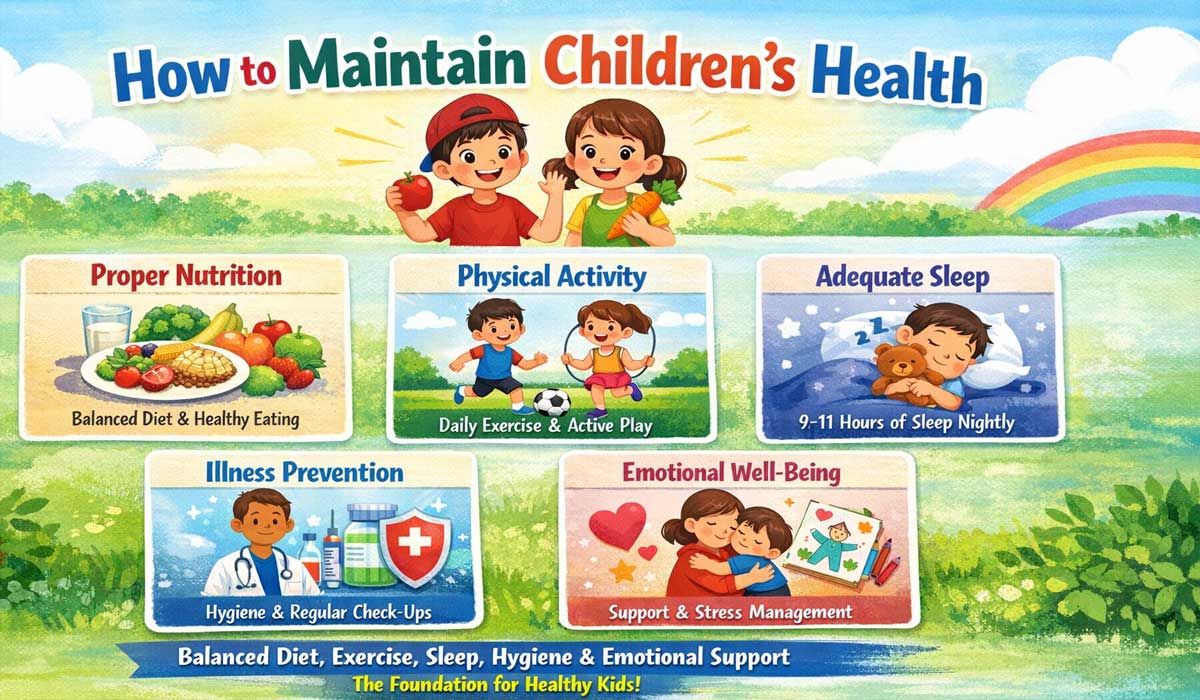
Healthy habits established early in life can have long-term benefits, including strong immunity, improved physical fitness, and better mental health.
Parents and caregivers play a key role in guiding children to adopt routines that support healthy living. Finger Health Education – Caring for All… provides guidance on proper nutrition, regular exercise, adequate sleep, and emotional support, which together create a solid foundation for a healthy lifestyle.
Ensuring Proper Nutrition
Providing balanced and nutritious meals is critical for children’s growth and development. A diet rich in fruits, vegetables, whole grains, and lean proteins supplies essential vitamins and minerals necessary for strong bones, a healthy immune system, and cognitive development.
It is also important to limit processed foods, sugary snacks, and drinks high in added sugars. Encouraging healthy eating habits from an early age helps children develop a preference for nutritious foods, making it easier to maintain good health as they grow.
Encouraging Physical Activity
Regular physical activity helps children build strong muscles and bones while promoting cardiovascular health. Activities such as running, swimming, cycling, or organized sports improve endurance, flexibility, and coordination.
Daily movement also supports mental health by reducing stress and anxiety, improving mood, and enhancing cognitive function. Parents should encourage at least 60 minutes of moderate to vigorous activity each day while making exercise fun and age-appropriate.
Promoting Adequate Sleep
Sleep is vital for children’s physical and mental development. Lack of proper sleep can affect growth, learning, memory, and emotional regulation. Establishing a consistent sleep schedule helps ensure children get enough rest.
For school-age children, 9 to 11 hours of sleep per night is recommended. Creating a calming bedtime routine, limiting screen time before bed, and providing a comfortable sleep environment are effective ways to support healthy sleep habits.
Read Also: Healthy Eating And Nutrition Tips For Optimal Health & Wellness
Preventing Illness and Ensuring Hygiene
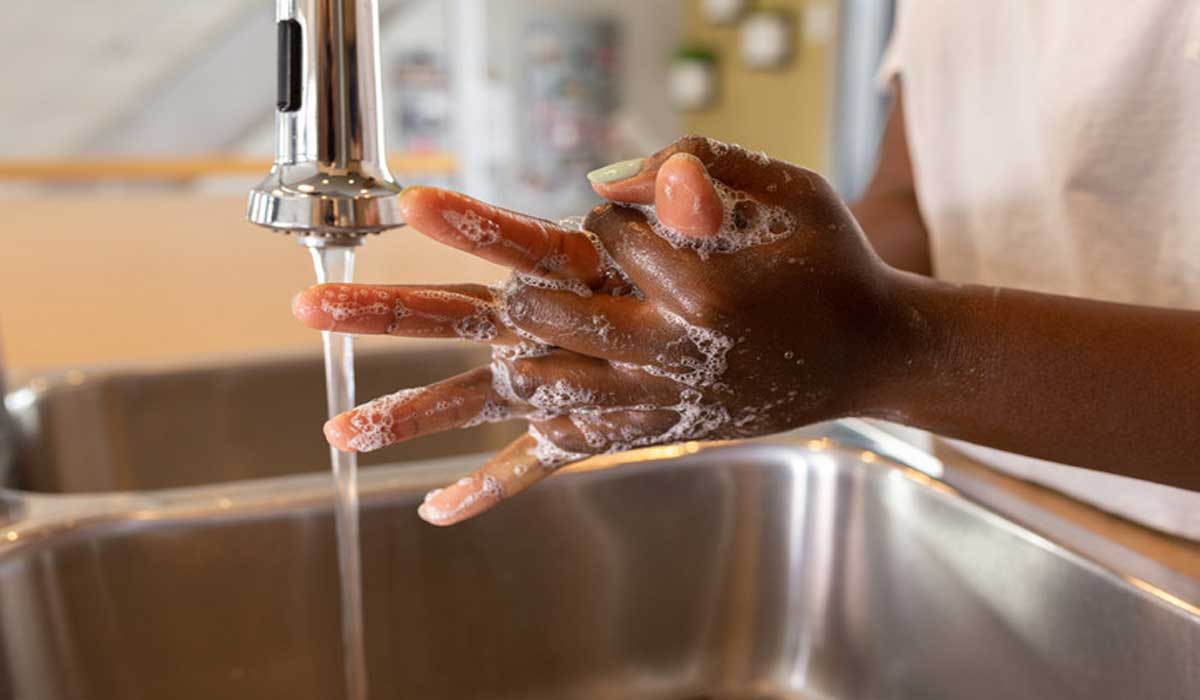
Proper hygiene and preventive care play a major role in maintaining children’s health. Teaching children to wash their hands regularly, cover their mouths when coughing, and avoid close contact when sick reduces the spread of infections.
Routine medical check-ups, vaccinations, and dental visits are also essential. Early detection of potential health issues allows timely intervention, while immunizations protect children from preventable diseases and contribute to overall community health.
Supporting Emotional and Mental Well-Being
Children’s health is not only physical but also emotional. Encouraging open communication, listening to their concerns, and fostering positive relationships with family and peers support mental well-being.
Limiting stress and providing opportunities for play, creativity, and relaxation help children build resilience. Teaching coping strategies for frustration and problem-solving can enhance self-confidence and emotional stability, laying the foundation for a balanced and healthy life.
Conculution
Maintaining children’s health requires a holistic approach, combining proper nutrition, regular physical activity, sufficient sleep, hygiene, preventive care, and emotional support. By guiding children to adopt healthy habits early, parents and caregivers can promote their growth, development, and lifelong well-being. A balanced lifestyle, supported by consistent routines and positive reinforcement, ensures children have the foundation to thrive both physically and emotionally.
Image Information Source:
First Image: tilhifi.info
Second Image: health.harvard.edu