
Healthy Fingers for Life, Caring for Hands from Childhood to Old Age
Our fingers are essential for nearly every daily activity from typing and writing to holding objects and performing household chores.
However, many people neglect finger health until problems arise that affect mobility and overall quality of life. From children to seniors, every age group faces unique risks related to finger problems. Understanding how to care for your fingers is key to keeping your hands strong, flexible, and healthy. Below, Finger Health Education provide a complete discussion.
Finger Problems In Children
Children are particularly prone to finger injuries due to play, sports, and curiosity. Common issues include sprains and pinched fingers, often caused by heavy objects or accidental door closures. While these injuries may seem minor, untreated sprains can cause persistent pain, swelling, and limited movement. Another common issue is infections around the nails, such as paronychia, caused by bacteria or fungi.
This can happen when children bite their nails or have small cuts that are not cleaned properly. Teaching children proper hand hygiene and keeping nails trimmed can help prevent these infections. Parents should also encourage safe play habits and supervise activities that may put fingers at risk. Early education about finger care can prevent long-term complications and help children develop healthy habits that last a lifetime.
Common Finger Issues In Adults
Adults often face finger problems due to repetitive use, such as typing, playing musical instruments, or manual labor. Tendinitis, an inflammation of the tendons, is common and causes pain during movement, reducing work efficiency and comfort. Arthritis can also affect adults, causing stiffness, swelling, and pain in finger joints. Although more prevalent in older adults, arthritis may begin earlier for those with physically demanding jobs.
Simple preventive measures include gentle finger exercises, regular breaks, and using ergonomic tools to reduce joint stress. Maintaining hand flexibility is crucial for productivity and comfort. Adults who develop finger pain should adjust their routines and consult professionals if symptoms persist. Early care can significantly improve long-term hand health.
Read Also: Finger Health Education for More Comfortable Daily Activities
Finger Health Challenges For Seniors
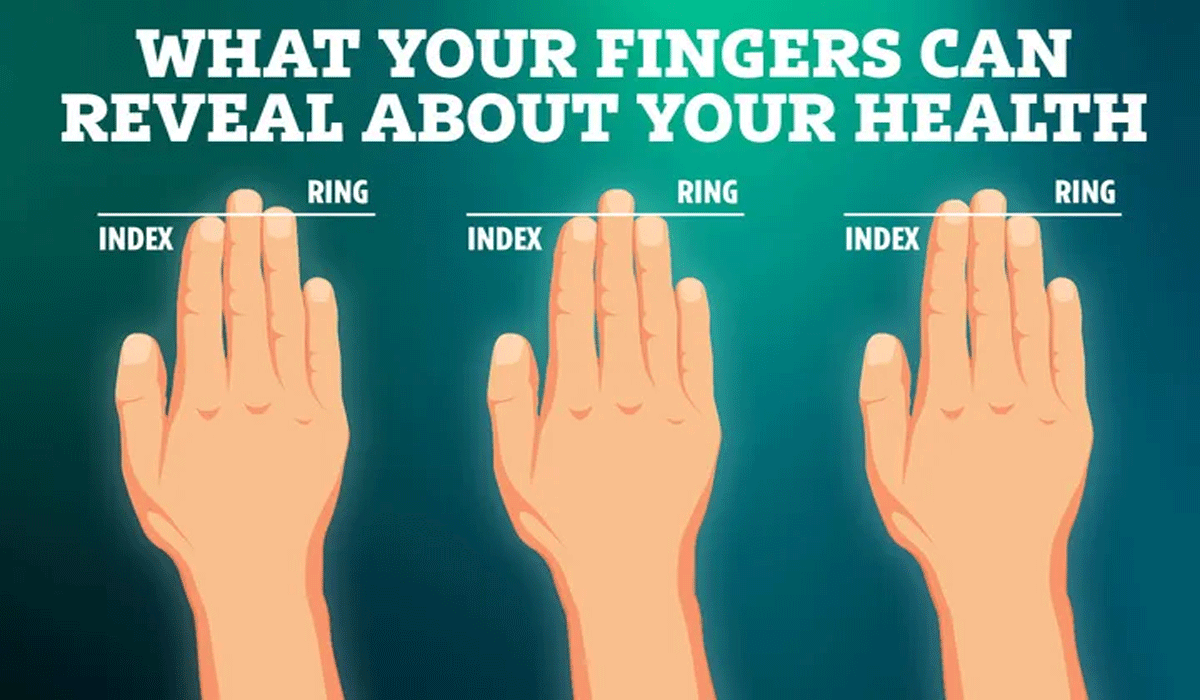
Aging increases the risk of osteoarthritis in the fingers, where cartilage wears down and joints become painful and stiff. Seniors can benefit from routine care such as physical therapy, gentle strengthening exercises, and doctor-recommended medications. Another concern is neuropathy and poor circulation, leading to numbness, tingling, or increased susceptibility to injuries.
Seniors may not feel minor cuts or bruises, which can worsen if left untreated. Regular check-ups, light exercise, and monitoring chronic conditions like diabetes can help prevent complications. Maintaining hand health in older age is essential for independence and quality of life. Preventive strategies and early interventions can reduce discomfort and preserve finger mobility.
Daily Finger Care for All Ages
Finger care should start early. Basic habits such as washing hands regularly, keeping nails trimmed, and avoiding nail-biting prevent many common issues. Children who learn these habits young are more likely to continue them throughout life. Finger exercises are beneficial for everyone. Simple routines like squeezing a stress ball, opening and closing hands, or gentle stretching help maintain strength and flexibility.
For seniors, these exercises reduce stiffness and keep fingers functional. Regular self-checks are also important. Observing changes in color, swelling, or mobility can alert you to potential problems before they become serious, ensuring your hands stay healthy across all life stages.
Knowing When To See a Doctor
Not all finger problems can be treated at home. Severe pain, swelling, color changes, or difficulty moving fingers are signals to seek medical advice. Prompt attention prevents complications such as infections or permanent joint damage. For seniors or those with chronic illnesses, regular medical check-ups are crucial.
Doctors can provide personalized treatment, including medications, physical therapy, or lifestyle guidance. Being proactive about finger health ensures long-term mobility, comfort, and independence. Early intervention and proper care can keep hands strong and functional throughout life.
Image Information Source:
First Image from: theconversation.com
Second Image from: www.thesun.co.uk