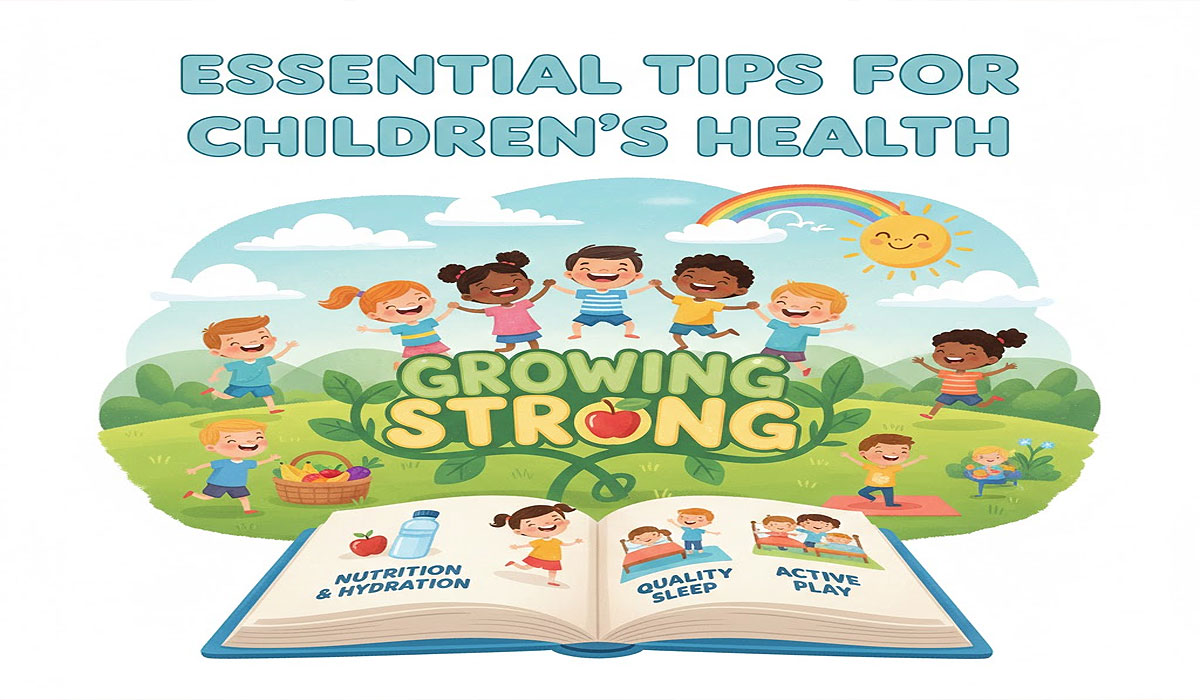
Growing Strong: Essential Tips for Children’s Health
Raising healthy children is one of the most important responsibilities for parents and caregivers.
Proper nutrition, regular physical activity, and emotional support are the pillars of a child’s growth and development. By understanding the key elements of health, parents can help their children thrive both physically and mentally.
Below we Finger Health Education will provide essential tips for ensuring children’s health, focusing on practical advice that can be applied daily. From diet and exercise to sleep and mental well-being, these strategies will support children in growing strong and resilient.
Balanced Nutrition for Optimal Growth
A well-balanced diet is fundamental to children’s growth. Providing a variety of fruits, vegetables, whole grains, lean proteins, and dairy ensures that children receive the vitamins and minerals necessary for healthy development. Avoiding excessive sugar and processed foods helps maintain a healthy weight and prevents long-term health issues.
In addition to quantity, the timing and frequency of meals are also important. Encouraging regular meals and healthy snacks keeps energy levels stable and supports proper metabolism. Teaching children about balanced nutrition early helps instill healthy eating habits that can last a lifetime.
Regular Physical Activity
Physical activity is essential for developing strong bones, muscles, and cardiovascular health. Children should be encouraged to engage in at least 60 minutes of moderate to vigorous activity each day, including outdoor play, sports, or family walks. Active play not only improves physical fitness but also enhances motor skills and coordination.
Exercise also plays a critical role in mental health. Physical activity releases endorphins, reduces stress, and improves mood. Introducing children to a variety of activities allows them to discover what they enjoy, making fitness a fun and sustainable part of daily life.
Read Also: Natural Remedies to Boost Your Immunity
Adequate Sleep for Growth and Learning

Sleep is vital for both physical growth and cognitive development. Children need sufficient sleep according to their age group typically 9–12 hours for school-aged children and 10–14 hours for younger children. Consistent sleep schedules help regulate body functions and improve attention, memory, and learning.
Creating a bedtime routine and a sleep-friendly environment is essential. Limiting screen time before bed, keeping bedrooms dark and quiet, and encouraging calming activities such as reading can promote better sleep quality and overall health.
Mental and Emotional Well-Being
A child’s emotional health is just as important as physical health. Encouraging open communication, empathy, and emotional expression helps children develop resilience and confidence. Providing support during challenges builds coping skills that are valuable for lifelong mental well-being.
Parents and caregivers should also model healthy behaviors, such as stress management and positive thinking. Engaging children in social activities, hobbies, and quality family time strengthens relationships and reinforces a sense of security and belonging.
Hydration and Healthy Habits
Staying hydrated is essential for children’s physical and cognitive performance. Encouraging children to drink water throughout the day helps maintain energy levels, supports digestion, and prevents dehydration. Limiting sugary drinks and soda contributes to healthier teeth and overall wellness.
Healthy habits extend beyond diet and exercise. Teaching children good hygiene, sun protection, and safety practices at an early age lays the foundation for a healthy lifestyle. Small daily routines, when practiced consistently, can have a significant long-term impact on children’s health.
Conclusion
Growing strong and healthy requires a holistic approach that combines nutrition, physical activity, sleep, emotional support, and preventive care. By fostering these habits early, parents and caregivers can help children develop the resilience, strength, and confidence needed to thrive.
Thank you for taking the time to find out interesting information about Children’s Health, the Right Way to Prevent Diseases Early on Finger Health Education we will provide lots of other information.
Image Information Source:
First Image from: tilhifi.info
Second Image from: pediazone.in