Finger Health Matters: Preventing & Managing Common Finger Disorders
Learn how to protect your hands during everyday activities, improve circulation, and manage early symptoms effectively.
Whether you type, cook, or craft daily, these expert-backed tips will help you maintain finger health, prevent injuries, and ensure your hands stay agile and functional for years to come. This article, Finger Health Education – Caring for All… explains common finger disorders like arthritis, trigger finger, and tendonitis, while offering practical prevention strategies, simple daily exercises, and lifestyle adjustments.
Why Finger Health Is Important
Fingers are essential for almost everything we do daily, from typing on a keyboard to cooking, writing, or holding objects. Even minor discomfort in fingers can affect these tasks, making daily life frustrating and painful. Healthy fingers allow precision, strength, and flexibility, which are crucial for maintaining independence in daily activities.
Ignoring early signs of finger problems, such as stiffness, soreness, or swelling, can lead to more serious issues over time. Many finger disorders develop gradually, so small changes in sensation or movement are worth attention. By caring for our fingers early, we can prevent long-term damage and maintain full function.
Understanding the anatomy of the fingers helps in recognizing potential problems. Fingers contain joints, tendons, muscles, and nerves that work together for fine motor control. Awareness of how these structures function can guide proper hand movements, safe lifting techniques, and daily practices that reduce strain, keeping fingers strong and pain-free.
Common Finger Disorders
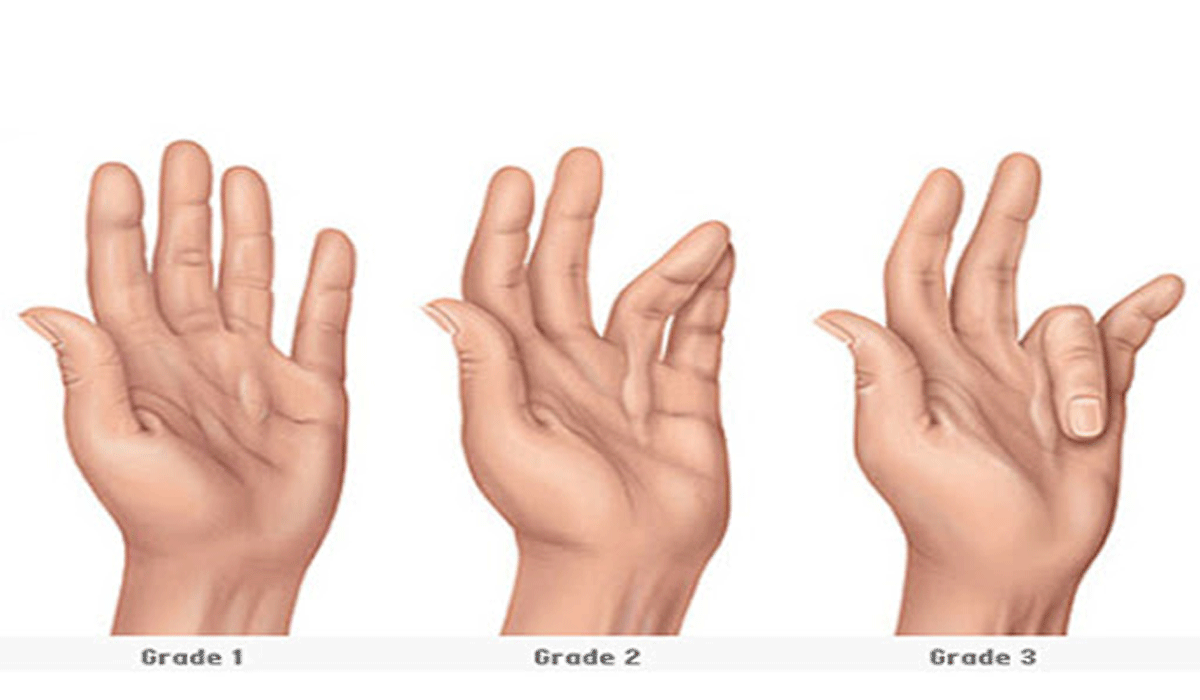
Several finger disorders are commonly seen across different age groups. Arthritis, tendonitis, trigger finger, and carpal tunnel syndrome are among the most frequent issues. Arthritis affects the joints, causing pain, stiffness, and swelling. Tendonitis is often caused by repetitive movements and can make finger motion difficult.
Trigger finger is a condition where a finger gets stuck in a bent position, often accompanied by a popping sensation. Carpal tunnel syndrome occurs when pressure on the median nerve affects hand and finger sensation, causing numbness, tingling, or weakness. Early identification of these conditions is critical for effective treatment.
Lifestyle factors play a major role in these disorders. Prolonged typing, smartphone use, or repetitive hand movements without proper breaks increase the risk. Recognizing the signs early and seeking medical advice can prevent minor discomfort from turning into chronic problems.
Read Also: The Secret to Healthy Child Growth and Development: A Complete Parenting Guide
Preventing Finger Problems
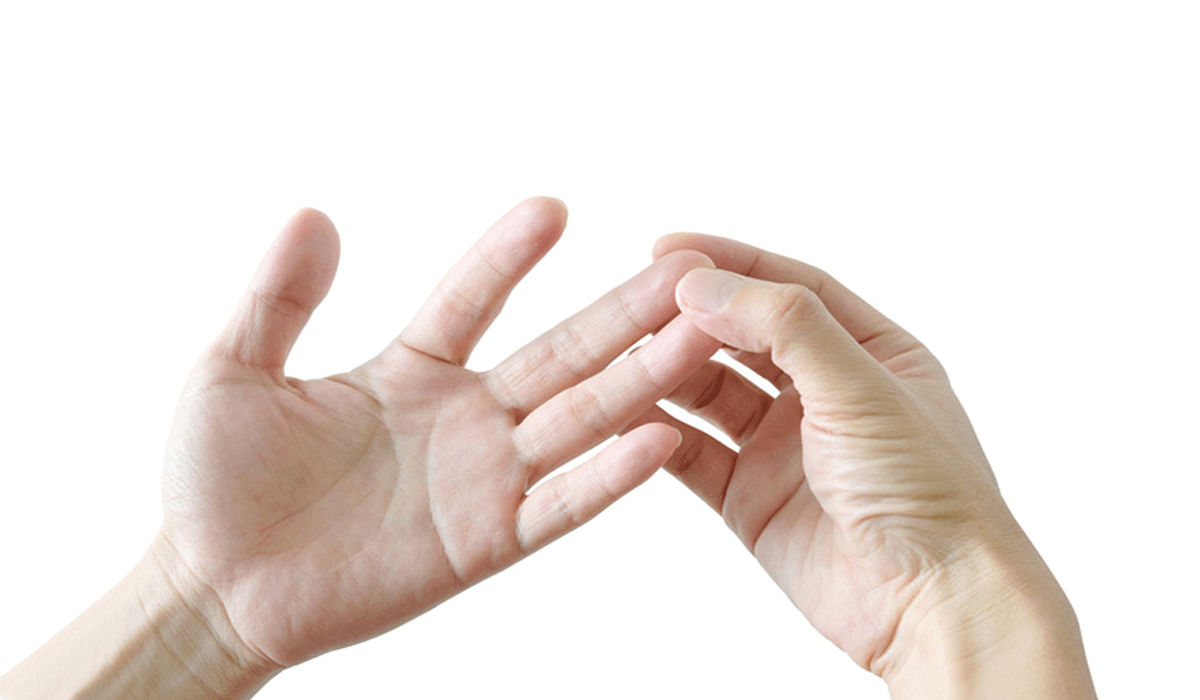
Prevention starts with simple daily habits. Taking short breaks during repetitive activities, performing gentle stretches, and practicing proper hand ergonomics reduce strain. For instance, keeping wrists neutral while typing or using supportive devices during tasks can prevent overuse injuries.
Strengthening finger muscles through exercises like squeezing stress balls or using finger resistance bands improves dexterity and stability. Regular movement enhances blood flow and keeps joints and tendons flexible, reducing stiffness over time.
Nutrition and hydration also support finger health. A diet rich in omega-3 fatty acids, calcium, and vitamin D helps maintain strong joints and tendons. Drinking enough water keeps tissues hydrated, improving elasticity and minimizing discomfort. These simple steps significantly lower the risk of developing finger disorders.
Managing Finger Disorders
If a finger disorder develops, early management is key. Resting the affected area, applying hot or cold compresses, and performing gentle stretches can relieve pain. Over-the-counter anti-inflammatory medication may help reduce swelling.
Physical therapy is often recommended for improving mobility and strength. Therapists provide exercises tailored to specific conditions, helping fingers regain function. In severe cases, medical treatments like corticosteroid injections or surgery may be necessary. Consulting a healthcare professional ensures proper diagnosis and care.
Lifestyle adjustments complement treatment. Limiting repetitive motions, using ergonomic tools, and incorporating protective habits can prevent further injury. Combining professional treatment with healthy habits yields the best results for finger health.
Daily Habits for Strong Fingers
Maintaining finger health requires consistent daily habits. Stretch fingers regularly, avoid excessive gripping, and practice proper typing or smartphone posture. Small adjustments in routines can prevent overuse injuries. Exercise, balanced nutrition, and proper hydration improve circulation, helping joints, tendons, and muscles function optimally. Strong overall health supports finger strength and flexibility.
Pain, swelling, or stiffness are warning signs and should never be ignored. Early attention to minor issues prevents chronic problems, allowing your fingers to stay flexible, strong, and ready for everyday activities. Thank you for joining us at Finger Health Education – Caring for All. Dive into captivating information about chronic disease awareness and the breakthroughs of modern medicine that can impact your life.