
Boosting Children’s Health With Nutrition And Activity
Behind every healthy child are daily habits that may seem simple but create lifelong physical and mental well-being.
Together, they support growth, strengthen immunity, improve mood, and build the foundation for a healthy future. In today’s world of fast food and screen time, guiding children toward balanced eating and regular movement is more important than ever.
Below, Finger Health Education – Caring for All Ages provides simple guidelines for what you can do at home to support your child’s health and safety.
The Role Of Balanced Nutrition In Growth
Proper nutrition fuels a child’s rapid physical and mental development. Proteins help build muscles and repair tissues, while carbohydrates provide energy for learning and play. Healthy fats support brain development, especially in younger children whose nervous systems are still forming.
Vitamins and minerals are equally vital. Calcium and vitamin D strengthen bones and teeth, iron supports healthy blood, and vitamin A helps vision and immune function. Without these nutrients, children may experience fatigue, poor concentration, or slower growth.
A balanced plate with fruits, vegetables, whole grains, lean proteins, and dairy (or alternatives) ensures children receive a wide range of nutrients. Colorful meals often mean diverse nutrients, making food both healthy and appealing.
Fueling Development With Movement
Physical activity does more than keep children fit it supports their overall development. Movement strengthens the heart, lungs, muscles, and bones. It also helps regulate body weight and reduces the risk of childhood obesity.
Exercise benefits the brain as well. Active children often show better focus, memory, and classroom performance. Physical activity increases blood flow to the brain and releases chemicals that improve mood and reduce stress.
Unstructured play, such as running, climbing, or riding a bike, is just as valuable as organized sports. It builds coordination, balance, and confidence while allowing children to enjoy being active in a natural way.
Read Also: Smart Home Care for Kids, Simple Steps to Help Them Heal Faster
Building Healthy Eating Habits Early
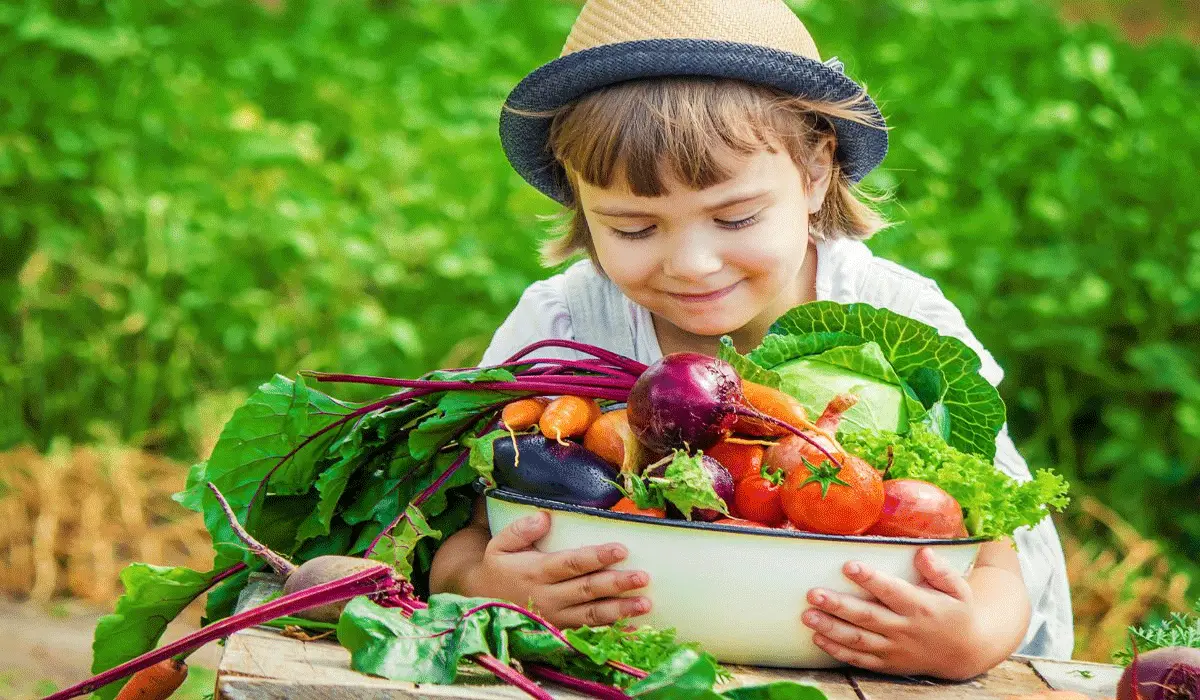
Childhood is the ideal time to develop lifelong eating habits. Children who grow up with healthy food choices are more likely to maintain those habits as adults. Parents and caregivers play a key role by modeling positive behaviors.
Offering regular meals and healthy snacks helps maintain stable energy levels. Skipping meals can lead to overeating later or choosing less nutritious foods. Breakfast, in particular, supports concentration and school performance.
Involving children in meal planning or simple food preparation can increase their interest in healthy eating. When kids help wash vegetables or assemble meals, they feel more connected to what they eat.
Encouraging Active Play Over Screen Time
Modern lifestyles often limit children’s physical activity. Long hours spent on phones, tablets, or television reduce time for movement. Excessive screen time is linked to poor posture, sleep problems, and reduced physical fitness.
Setting clear limits on screen use encourages children to explore active alternatives. Outdoor play, sports, dance, or even family walks can replace sedentary habits. When movement becomes part of daily routine, it feels natural rather than forced.
Family involvement makes a difference. When parents join activities, children are more motivated and view exercise as a fun, shared experience instead of a chore.
Health and Learning Connection
Nutrition and activity also affect emotional well-being. Balanced meals stabilize blood sugar, reducing mood swings and irritability. Certain nutrients, like omega-3 fats and B vitamins, support brain function and mental health.
Physical activity releases endorphins, often called “feel-good” hormones. These help reduce anxiety and boost self-esteem. Active children tend to sleep better, which further supports mood and learning.
Healthy children are more ready to learn. Good nutrition fuels concentration, while movement improves attention and behavior in school. Together, they create a strong base for academic and social success.
Conclusion
Boosting children’s health does not require extreme measures—small, consistent habits make a big difference. Nutritious meals, active play, and limited screen time work together to support physical growth, mental well-being, and learning ability. Parents, schools, and communities all share responsibility in creating environments that make healthy choices easier.
We will continue to share practical, easy-to-follow tips to help parents care for their children safely and confidently at home, supporting faster recovery and healthy growth, only at Finger Health Education – Caring for All AGES.
Image Source:
- First Image from: https://tophealthdoctors.com.au/
- Second Image from: https://www.paybito.com/