Simple Ways to Maintain the Health of the Elderly on a Daily Basis
Simple daily ways to maintain elderly health with easy routines, balanced nutrition, gentle exercise, and mental well-being tips.
As people age, maintaining good health becomes increasingly important to ensure a higher quality of life and independence. The elderly face unique challenges, including decreased mobility, weakened immunity, and an increased risk of chronic diseases. However, simple daily habits and mindful routines can significantly enhance their physical, mental, and emotional well-being. By understanding these strategies and integrating them into everyday life, families and caregivers can help older adults maintain their health and enjoy life to the fullest.
Balanced Nutrition for Vitality
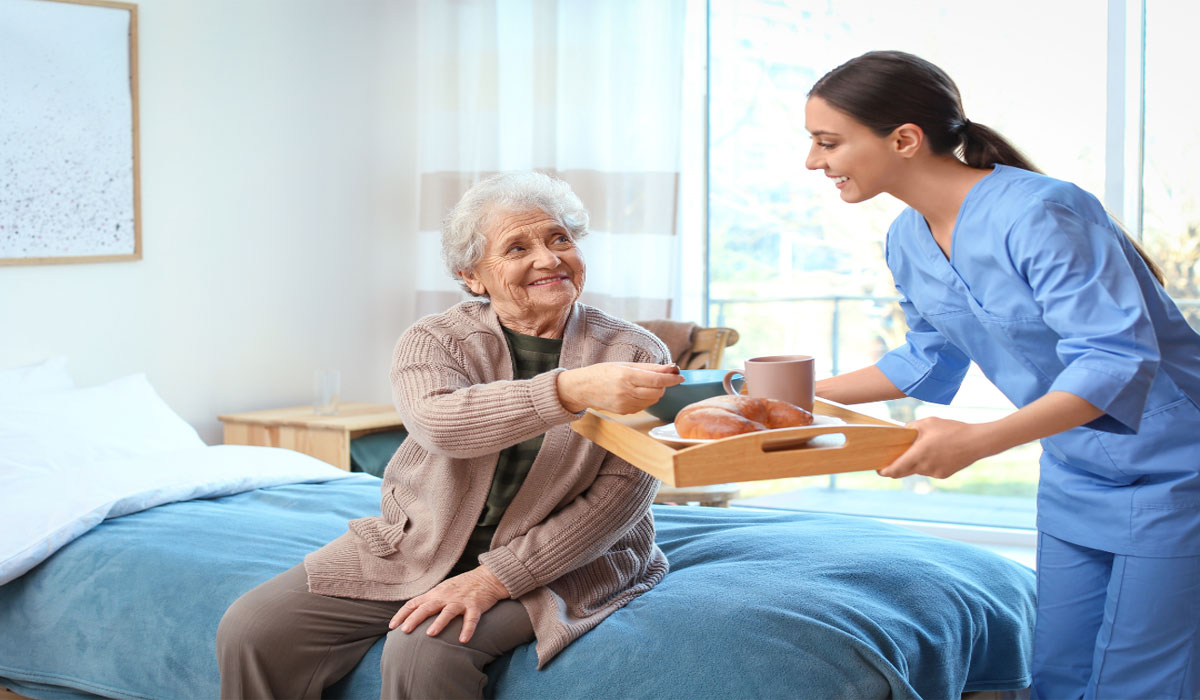
One of the most essential factors in maintaining the health of the elderly is proper nutrition. As metabolism slows down with age, it is crucial to consume a diet that is rich in essential nutrients while avoiding excessive calories. Meals should include a variety of fruits, vegetables, whole grains, lean proteins, and healthy fats.
Proper hydration is equally important, as older adults are more prone to dehydration, which can affect energy levels and cognitive function. In addition, nutrients such as calcium, vitamin D, and omega-3 fatty acids play a vital role in supporting bone strength, cardiovascular health, and cognitive performance. By focusing on balanced meals and adequate hydration, elderly individuals can maintain energy, reduce the risk of chronic illnesses, and support overall health.
Regular Physical Activity
Maintaining physical activity is crucial for preserving mobility, strength, and cardiovascular health in older adults. Engaging in daily exercises such as walking, stretching, or light strength training can help improve flexibility, balance, and muscle tone, reducing the risk of falls and injuries.
Even simple activities like gardening, household chores, or short walks around the neighborhood contribute significantly to physical well-being. Consistency is key, and exercises should be adapted to individual capabilities to avoid strain or injury. Beyond the physical benefits, regular movement also positively impacts mental health by reducing stress, anxiety, and the risk of depression, which are common concerns in the elderly population.
Also Read: Grip Life Confidence From Expert Tips For Hand and Finger Wellness
Mental Stimulation and Cognitive Care
Mental health is just as important as physical health for elderly individuals. Engaging in cognitive activities on a daily basis can help maintain brain function and delay cognitive decline. Activities such as reading, solving puzzles, playing memory games, or learning new skills provide valuable mental stimulation.
Moreover, keeping up with current events, participating in discussions, or pursuing hobbies can enhance focus, creativity, and emotional satisfaction. Encouraging a proactive approach to mental health not only preserves cognitive abilities but also boosts self-esteem and a sense of purpose, which are critical for overall well-being.
Social Engagement and Emotional Well-being
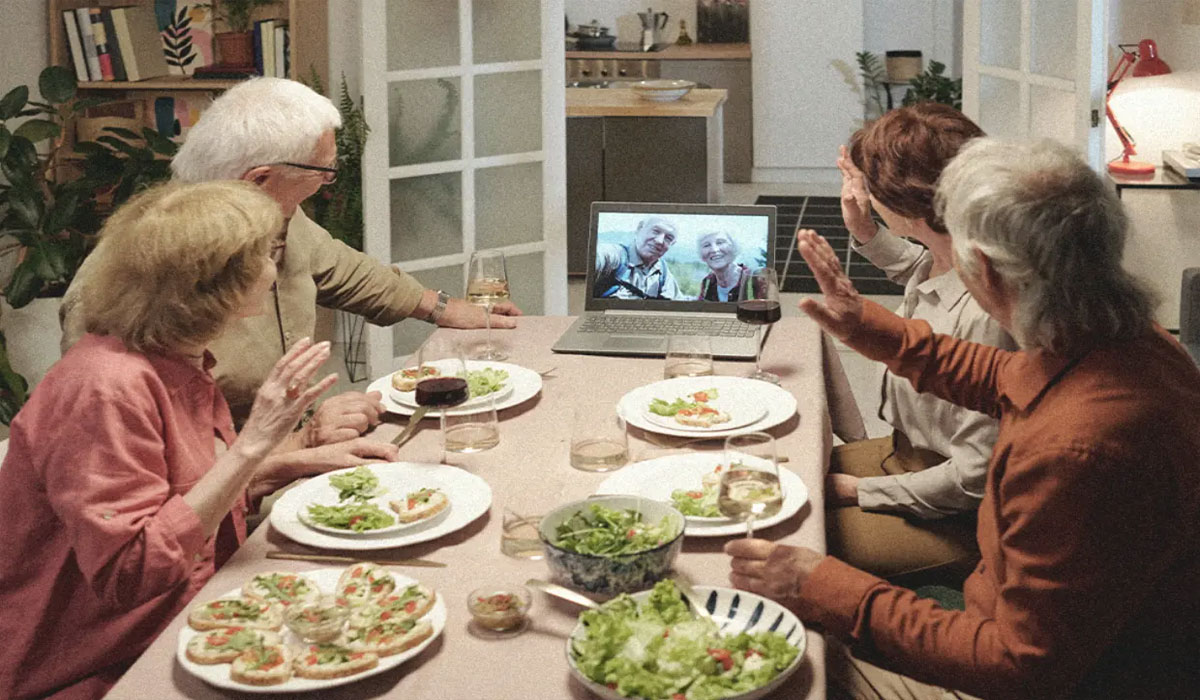
Social connections are vital for maintaining emotional health in the elderly. Loneliness and social isolation are common issues that can negatively impact both mental and physical health, potentially leading to depression and even heart problems. Daily social interactions, whether through family visits, phone calls, community activities, or social clubs, help seniors feel connected and valued.
Engaging in meaningful relationships also provides emotional support and reduces stress, contributing to a more positive outlook on life. In addition, volunteering, group exercise classes, or participating in cultural activities can give elderly individuals a sense of belonging and purpose, enhancing overall happiness and life satisfaction.
Regular Health Monitoring
Routine medical care is an essential component of daily health maintenance for the elderly. Regular check-ups with healthcare providers allow for early detection and management of chronic conditions such as diabetes, hypertension, or arthritis. Monitoring vital signs, managing medications carefully, and staying up-to-date on vaccinations are also critical steps in maintaining health.
Additionally, paying attention to changes in physical or mental health and seeking timely professional advice can prevent complications and improve outcomes. Combining preventive healthcare with proactive daily habits ensures that older adults remain healthy, independent, and capable of managing potential health issues effectively.
Maintaining the health of the elderly requires a holistic approach that integrates proper nutrition, regular physical activity, cognitive engagement, social interaction, and consistent medical care. By incorporating these practices into daily routines, older adults can enjoy better physical, mental, and emotional well-being.