
Healthy Fingers Happy Kids, Nurturing Little Hands from the Start
Children’s hands and fingers are powerful tools that help them explore the world, express creativity, and learn new skills.
Yet, finger health is often overlooked despite its crucial role in their overall development. Teaching children to care for their fingers from an early age not only prevents infections and injuries but also strengthens their fine motor skills and confidence. Here’s a guide to keeping little fingers healthy and happy.
Below are key tips and recommendations for Finger Health Education to help keep children’s fingers clean, strong, and safe.
The Importance of Finger Hygiene
Keeping children’s fingers clean is the first step toward preventing illness. Tiny germs can easily hide under nails or in skin folds, spreading infections if not washed regularly.
Teaching children proper handwashing techniques can make hygiene a fun routine. Singing a short song or using colorful soap can motivate them to wash hands thoroughly for at least 20 seconds.
Additionally, regular finger hygiene helps children develop lifelong habits. They learn responsibility for their health and understand the connection between cleanliness and well-being, laying the foundation for healthy routines as they grow.
Protecting Fingers During Play
Children are naturally curious and love exploring through play, which can sometimes result in finger injuries. Protective measures like gloves or finger guards during sports or outdoor activities reduce the risk of cuts and bruises.
Encouraging safe play also involves teaching children to handle tools, toys, or sharp objects responsibly. Even simple instructions on gripping scissors or climbing equipment correctly can prevent accidents.
Supervision is essential, especially for younger children. Being attentive while they play allows adults to intervene promptly if an unsafe situation arises, keeping fingers safe without limiting fun and exploration.
Also Read: From Symptoms to Cure The Secrets of Modern Medicine
Strengthening Finger Muscles
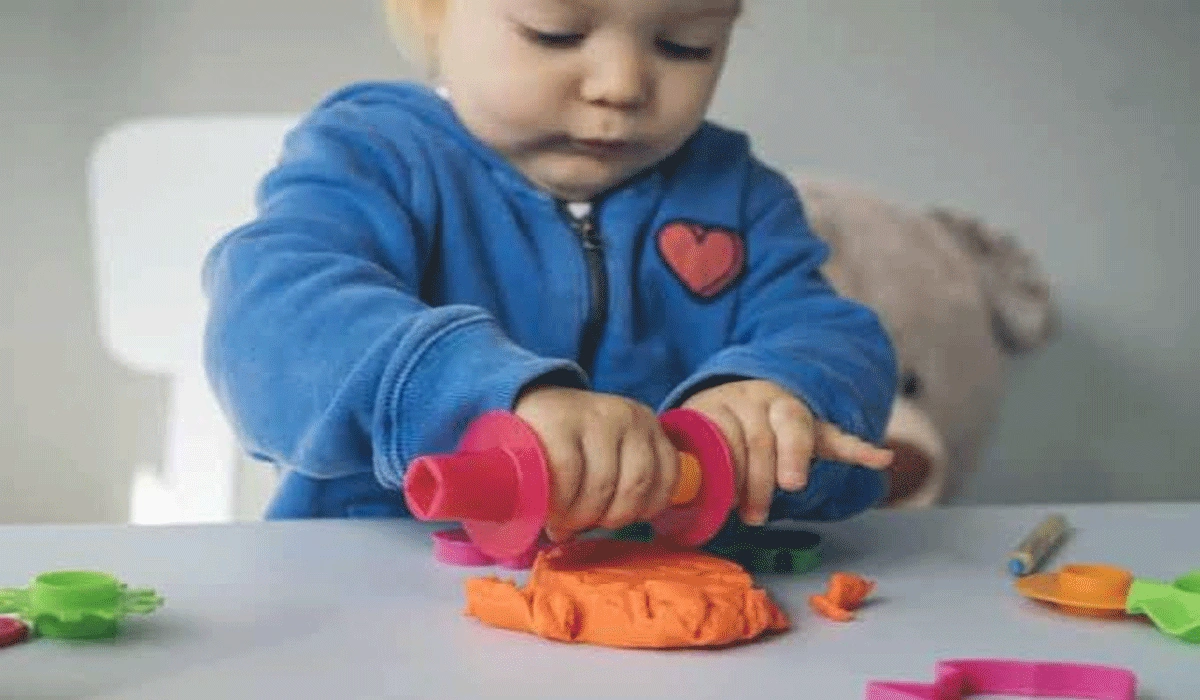
Finger strength is essential for tasks like writing, drawing, or tying shoelaces. Simple exercises such as squeezing soft balls, playing with clay, or threading beads can improve finger dexterity. These activities also help prevent fatigue in young hands and prepare them for longer periods of focused tasks like schoolwork or art projects.
Muscle development also enhances hand-eye coordination. Children who regularly practice fine motor activities often show better precision and control in daily tasks and schoolwork. Strong fingers and hands contribute to better posture and reduce strain during writing or using utensils, supporting overall physical development.
Moreover, engaging in creative activities benefits both fingers and imagination. Crafts, painting, and building blocks not only exercise muscles but also support cognitive development, problem-solving skills, and focus.
Encouraging Healthy Finger Habits
Nail care is another key aspect of finger health. Keeping nails short and clean reduces the risk of infections and prevents children from accidentally scratching themselves or others. Regularly checking for dirt or discoloration under the nails can also help detect early signs of infection or other nail problems, allowing for timely care.
Discouraging harmful habits like nail-biting or picking at skin is important. Gentle reminders and positive reinforcement help children replace these habits with healthier alternatives. Parents and caregivers can offer fun distractions or stress-relief activities, such as using fidget toys or practicing hand exercises, to help children break these habits naturally.
Finally, educating children about finger care empowers them. By understanding its importance, they take pride in keeping their hands clean and practicing safe, healthy habits. Simple routines like washing and trimming nails help build responsibility and confidence in self-care.
Always stay updated on Finger Health Education to ensure you don’t miss important tips and recommendations for keeping children’s fingers healthy, strong, and safe.
Image Information Source :
First Image from : istockphoto.com
Second Image from : readykids.com